James Baldwin in "As Much Truth As One Can Bear" in The New York Times Book Review (14 January 1962); as quoted in Wisdom for the Soul : Five Millennia of Prescriptions for Spiritual Healing (2006) by Larry Chang, p. 114
“
Not everything that is faced can be changed. But nothing can be changed until it is faced.… Most of us are about as eager to change as we were to be born, and go through our changes in a similar state of shock.
— James Baldwin on Change
What It Means
This is a placeholder explanation generated by the low-overhead model. It interprets "Not everything that is faced can be changed. But nothing can be changed until it is faced.… Most of us are about as eager to change as we were to be born, and go through our changes in a similar state of shock." in the context of "James Baldwin in "As Much Truth As One Can Bear" in The New York Times Book Review (14 January 1962); as quoted in Wisdom for the Soul : Five Millennia of Prescriptions for Spiritual Healing (2006) by Larry Chang, p. 114" to mean that wisdom is timeless.

Source: Wikiquote: "Change" (B)
The 'What it means' explanation text was generated by Google Gemini Flash (accessed January 18, 2026). https://gemini.google.com/app
Tags
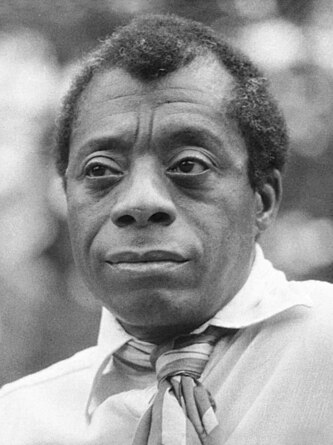
About James Baldwin
James Arthur Baldwin (2 August 1924 – 1 December 1987) was an American novelist, short story writer, playwright, essayist, and social critic.
About James Baldwin
James Arthur Baldwin (2 August 1924 – 1 December 1987) was an American novelist, short story writer, playwright, essayist, and social critic.
View all quotes →