Life passes, with us all, a day at a time; so it passed with our friend Tom, till two years were gone. Though parted from all his soul held dear, and though often yearning for what lay beyond, still was he never positively and consciously miserable; for, so well is the harp of human feeling strung, that nothing but a crash that breaks every string can wholly mar its harmony; and, on looking back to seasons which in review appear to us as those of deprivation and trial, we can remember that each hour, as it glided, brought its diversions and alleviations, so that, though not happy wholly, we were not, either, wholly miserable.
What It Means
This is a placeholder explanation generated by the low-overhead model. It interprets "Life passes, with us all, a day at a time; so it passed with our friend Tom, till two years were gone. Though parted from all his soul held dear, and though often yearning for what lay beyond, still was he never positively and consciously miserable; for, so well is the harp of human feeling strung, that nothing but a crash that breaks every string can wholly mar its harmony; and, on looking back to seasons which in review appear to us as those of deprivation and trial, we can remember that each hour, as it glided, brought its diversions and alleviations, so that, though not happy wholly, we were not, either, wholly miserable." in the context of "Ch. 22 "The Grass Withereth — the Flower Fadeth"." to mean that wisdom is timeless.
Tags
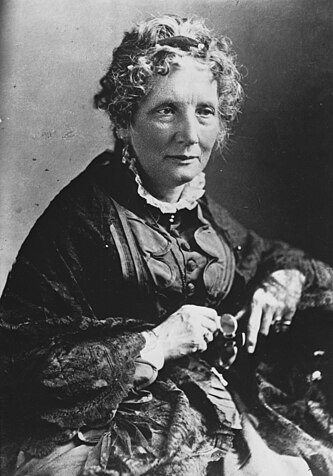
About Harriet Beecher Stowe