Francis Bacon on Teleology
← Back to Francis Bacon Profile
“As we divided natural philosophy in general into the inquiry of causes, and productions of effects: so that part which concerneth the inquiry of causes we do subdivide according to the received and sound division of causes. The one part, which is physic, inquireth and handleth the material and efficient causes; and the other, which is metaphysic, handleth the formal and final causes.”
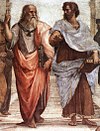
“This misplacing hath caused a deficience, or at least a great improficience in the sciences themselves. For the handling of final causes, mixed with the rest in physical inquiries, hath intercepted the severe and diligent inquiry of all real and physical causes, and given men the occasion to stay upon these satisfactory and specious causes, to the great arrest and prejudice of further discovery. For this I find done not only by Plato, who ever anchoreth upon that shore, but by Aristotle, Galen, and others which do usually likewise fall upon these flats of discoursing causes.”
“The natural philosophy of Democritus and some others, who did not suppose a mind or reason in the frame of things, but attributed the form thereof able to maintain itself to infinite essays or proofs of nature, which they term fortune, seemeth to me... in particularities of physical causes more real and better inquired than that of Aristotle and Plato; whereof both intermingled final causes, the one as a part of theology, and the other as a part of logic, which were the favourite studies respectively of both those persons. Not because those final causes are not true, and worthy to be inquired, being kept within their own province; but because their excursions into the limits of physical causes hath bred a vastness and solitude in that tract.”