Quote of David Davies, in the principal essay in the exhibition catalogue of The National Gallery; as cited by Nicholas Penny, 'At the National Gallery', Vol. 26 No. 5. - 4 March 2004, by Nicholas Penny
“
..using abstraction and avoiding literal illusionism, the artist [= El Greco] diverts the mind to the spiritual essence.. .El Greco made it clear that his heavenly figures are not members of the material world.
— Quote of David Davies
What It Means
This is a placeholder explanation generated by the low-overhead model. It interprets "..using abstraction and avoiding literal illusionism, the artist [= El Greco] diverts the mind to the spiritual essence.. .El Greco made it clear that his heavenly figures are not members of the material world." in the context of "Quote of David Davies, in the principal essay in the exhibition catalogue of The National Gallery; as cited by Nicholas Penny, 'At the National Gallery', Vol. 26 No. 5. - 4 March 2004, by Nicholas Penny" to mean that wisdom is timeless.
Source: Wikiquote: "El Greco" (Quotes about El Greco: sorted chronologically, by date of the quotes about El Greco, after 2000)
The 'What it means' explanation text was generated by Google Gemini Flash (accessed January 18, 2026). https://gemini.google.com/app
Tags
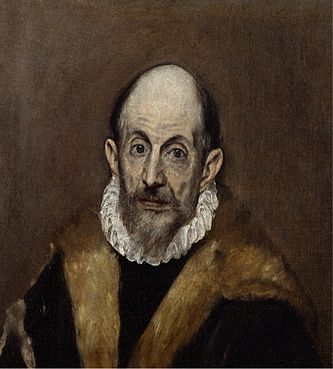
About El Greco
Doménikos Theotokópoulos (Greek language: Δομήνικος Θεοτοκόπουλος, 1541–7 April 1614), most widely known as El Greco (Spanish language for "The Greek"), was a painter, sculptor, and architect of the Spanish Renaissance. The nickname "El Greco" refers both to his Greek origin and Spanish citizenship. The artist normally signed his paintings with his full birth name in Greek alphabet: Δομήνικος Θεοτοκόπουλος (Doménikos Theotokópoulos), often adding the word Κρής (Krēs, "Cretan"). El Greco is regarded as a precursor of both Expressionism and Cubism.
View all quotes →