Edward Gibbon on Jesus
← Back to Edward Gibbon Profile
“How shall we excuse the supine inattention of the Pagan and philosophic world to those evidences which were presented by the hand of Omnipotence, not to their reason, but to their senses? During the age of Christ, of his apostles, and of their first disciples, the doctrine which they preached was confirmed by innumerable prodigies. The lame walked, the blind saw, the sick were healed, the dead were raised, daemons were expelled, and the laws of Nature were frequently suspended for the benefit of the church. … Under the reign of Tiberius, the whole earth, or at least a celebrated province of the Roman empire, was involved in a preternatural darkness of three hours. Even this miraculous event, which ought to have excited the wonder, the curiosity, and the devotion of mankind, passed without notice in an age of science and history. It happened during the lifetime of Seneca and the elder Pliny, who must have experienced the immediate effects, or received the earliest intelligence, of the prodigy. Each of these philosophers, in a laborious work, has recorded all the great phenomena of Nature, earthquakes, meteors, comets, and eclipses, which his indefatigable curiosity could collect. Both the one and the other have omitted to mention the greatest phenomenon to which the mortal eye has been witness since the creation of the globe.”
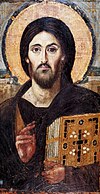
“The ancient and popular doctrine of the Millennium was intimately connected with the second coming of Christ. As the works of the creation had been finished in six days, their duration in their present state, according to a tradition which was attributed to the prophet Elijah, was fixed to six thousand years. By the same analogy it was inferred that this long period of labour and contention, which was now almost elapsed, would be succeeded by a joyful Sabbath of a thousand years; and that Christ, with the triumphant band of the saints and the elect who had escaped death, or who had been miraculously revived, would reign upon earth till the time appointed for the last and general resurrection. So pleasing was this hope to the mind of believers, that the new Jerusalem, the seat of this blissful kingdom, was quickly adorned with all the gayest colours of the imagination. … Though it might not be universally received, it appears to have been the reigning sentiment of the orthodox believers; and it seems so well adapted to the desires and apprehensions of mankind, that it must have contributed in a very considerable degree to the progress of the Christian faith. But when the edifice of the church was almost completed, the temporary support was laid aside. The doctrine of Christ's reign upon earth was at first treated as a profound allegory, was considered by degrees as a doubtful and useless opinion, and was at length rejected as the absurd invention of heresy and fanaticism. A mysterious prophecy, which still forms a part of the sacred canon, but which was thought to favour the exploded sentiment, has very narrowly escaped the proscription of the church.”