Edward Gibbon on Chivalry
← Back to Edward Gibbon Profile
“A single knight could impart, according to his judgment, the character which he received; and the warlike sovereigns of Europe derived more glory from this personal distinction, than from the lustre of their diadem. This ceremony, of which some traces may be found in Tacitus and the woods of Germany, was in its origin simple and profane; the candidate, after some previous trial, was invested with his sword and spurs; and his cheek or shoulder were touched with a slight blow, as an emblem of the last affront, which it was lawful for him to endure. But superstition mingled in every public and private action of life; in the holy wars, it sanctified the profession of arms; and the order of chivalry was assimilated in its rights and privileges to the sacred orders of priesthood.”
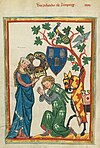
“As the champion of God and the ladies (I blush to unite such discordant names), he devoted himself to speak the truth; to maintain the right; to protect the distressed; to practise courtesy, a virtue less familiar to the ancients; to pursue the infidels; to despise the allurements of ease and safety; and to vindicate in every perilous adventure the honour of his character. The abuse of the same spirit provoked the illiterate knight to disdain the arts of industry and peace; to esteem himself the sole judge and avenger of his own injuries; and proudly to neglect the laws of civil society and military discipline. Yet the benefits of this institution, to refine the temper of Barbarians, and to infuse some principles, of faith, justice, and humanity, were strongly felt, and have been often observed. The asperity of national prejudice was softened; and the community of religion and arms spread a similar colour and generous emulation over the face of Christendom.”