The work of...Stubbs claims a still higher rank. It shows what can be made of documents, when historic powers of the highest order are brought to bear upon them. We have seldom seen a single volume which was, so thoroughly and almost without a figure of speech, a library in itself. It is hardly too much to say that Mr. Stubbs has here got together all that any one can want to know on his subject, unless he is going to write a book about it, and that, if a man is going to write a book about it, he will find in Mr. Stubbs' volume the best possible guide to his materials.
What It Means
This is a placeholder explanation generated by the low-overhead model. It interprets "The work of...Stubbs claims a still higher rank. It shows what can be made of documents, when historic powers of the highest order are brought to bear upon them. We have seldom seen a single volume which was, so thoroughly and almost without a figure of speech, a library in itself. It is hardly too much to say that Mr. Stubbs has here got together all that any one can want to know on his subject, unless he is going to write a book about it, and that, if a man is going to write a book about it, he will find in Mr. Stubbs' volume the best possible guide to his materials." in the context of "Edward Augustus Freeman, 'The Use of Historical Documents', The Fortnightly Review, No. LVII. New Series (1 September 1871), in The Fortnightly Review, Vol. X. New Series. July 1 to December 1, 1871, ed. John Morley (1871), p. 331" to mean that wisdom is timeless.

Tags
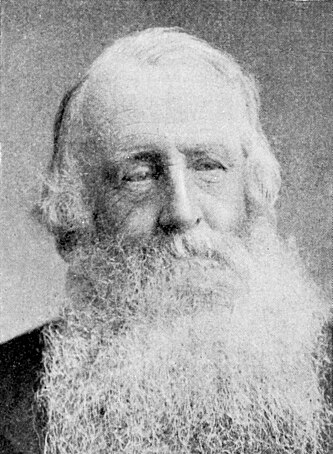
About Edward Augustus Freeman