Edith Hamilton, in Mythology: Timeless Tales of Gods and Heroes (1942), Ch. 11
“
Theseus was, of course, bravest of the brave, as all heroes are; but, unlike other heroes, he was as compassionate as he was brave, and a man of great intellect as well as great bodily strength. It was natural that the Athenians should have such a hero, because they valued thought and ideas, as no other part of the country did. In Theseus their ideal was embodied.
— Edith Hamilton on Theseus
What It Means
This is a placeholder explanation generated by the low-overhead model. It interprets "Theseus was, of course, bravest of the brave, as all heroes are; but, unlike other heroes, he was as compassionate as he was brave, and a man of great intellect as well as great bodily strength. It was natural that the Athenians should have such a hero, because they valued thought and ideas, as no other part of the country did. In Theseus their ideal was embodied." in the context of "Edith Hamilton, in Mythology: Timeless Tales of Gods and Heroes (1942), Ch. 11" to mean that wisdom is timeless.
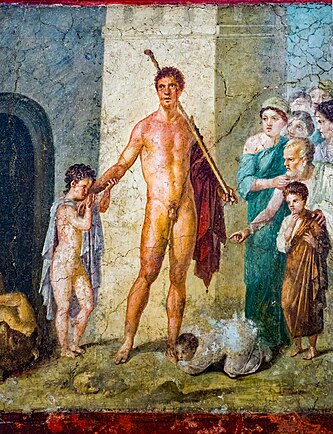
Source: Wikiquote: "Theseus" (~Quotes about Theseus~)
The 'What it means' explanation text was generated by Google Gemini Flash (accessed January 18, 2026). https://gemini.google.com/app
Tags
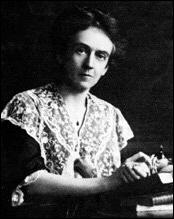
About Edith Hamilton
Edith Hamilton (August 12, 1867 – May 31, 1963) was a classicist and educator who was a writer on mythology. Her most famous books are The Greek Way (1930) and Mythology: Timeless Tales of Gods and Heroes (1942).
About Edith Hamilton
Edith Hamilton (August 12, 1867 – May 31, 1963) was a classicist and educator who was a writer on mythology. Her most famous books are The Greek Way (1930) and Mythology: Timeless Tales of Gods and Heroes (1942).
View all quotes →