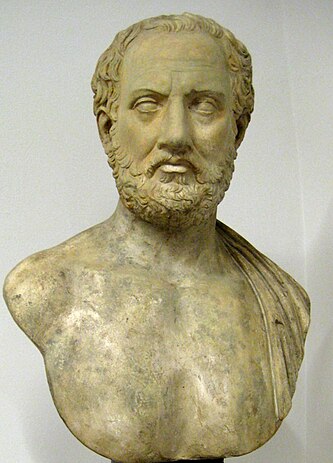
Power, Thucydides wrote, or its equivalent wealth, created the desire for more power, more wealth. The Athenians and the Spartans fought for one reason — because they were powerful, and therefore were compelled (the words are Thucydides' own) to seek more power. They fought not because they were different — democratic Athens and oligarchical Sparta — but because they were alike. The war had nothing to do with differences in ideas or with considerations of right and wrong. Is democracy right and the rule of the few over the many wrong? To Thucydides the question would have seemed an evasion of the issue. There was no right power. Power, whoever wielded it, was evil, the corrupter of men.
What It Means
This is a placeholder explanation generated by the low-overhead model. It interprets "Power, Thucydides wrote, or its equivalent wealth, created the desire for more power, more wealth. The Athenians and the Spartans fought for one reason — because they were powerful, and therefore were compelled (the words are Thucydides' own) to seek more power. They fought not because they were different — democratic Athens and oligarchical Sparta — but because they were alike. The war had nothing to do with differences in ideas or with considerations of right and wrong. Is democracy right and the rule of the few over the many wrong? To Thucydides the question would have seemed an evasion of the issue. There was no right power. Power, whoever wielded it, was evil, the corrupter of men." in the context of "Edith Hamilton, The Greek Way to Western Civilization (1930; 1942), p. 187" to mean that wisdom is timeless.
Tags
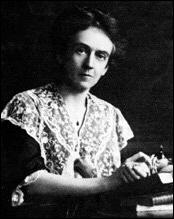
About Edith Hamilton