Link Copied!
E. Graham Howe Quotes (1897-1975)

About E. Graham Howe
Eric Graham Howe (February 3, 1897 – June 8, 1975) was a British psychiatrist notable for his focus on psychodynamic psychology, existential phenomenology, and spirituality. He was associated with the Tavistock Clinic in the late 1920s and early 1930s and the Open Way Clinic in the 1950s and 1960s.
Best E. Graham Howe Quotes
Shortest
Earliest
Explore our curated collection of the most famous and impactful E. Graham Howe quotes.
“Life needs courage above all other virtues; but perhaps the greatest of all human courage is forgiveness.”
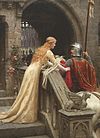
“Human earnestness, so fearfully direct, so anxious to improve, builds monuments to house the living God and kills him dead within an ornamental prison.”
“THAT was the frame of reference for the Druids, which is what makes them so different from our experience now, which is determined, not by the truth of THAT, but by our anxious need for more security, more gain, less loss, and more power over the other.”

“Images "stand in" to represent what is in fact unknowable, non-ceptual and non-evidential to us, who are negatively situated on this side of consciousness. Such images can only be real in themselves, however, in so far as they represent, or re-present, the eternal reality of THAT. When they become real in themselves, then we are only over-stating them and have become idolaters guilty of the error of the Sanskrit word upadhi, which is treating THAT as if it is only this, and so confusing the lesser with the greater.”
“We learn one lesson from the seed that diamonds have never taught us. For seeds, unlike diamonds, are for spending--for throwing away, almost. For unless the seed falls into the ground, dying buried in the darkness of the earth for due season, there can be no spring nor harvest. The image of the seed is the living message of truth for all of us: that death of some kind is the cause of all renewal. 'Death', albeit in inverted commas, is a cause; and life its consequence. Thus sleep is a little death: but so are looking and listening, which require a condition of self-emptying, or 'dying to know', before communication from the other can be received. So, 'expiring' with every breath, we may grow continuously, until the time arrives when we must all experience the irreversible state of change, called death.”

About E. Graham Howe
Eric Graham Howe (February 3, 1897 – June 8, 1975) was a British psychiatrist notable for his focus on psychodynamic psychology, existential phenomenology, and spirituality. He was associated with the Tavistock Clinic in the late 1920s and early 1930s and the Open Way Clinic in the 1950s and 1960s.