There is a glimmer of hope in the choice to quote an old song about new beginnings, and it isn't the only moment on the album that suggests a cycle of death and rebirth. Buried in the bleakness of "Blackstar" is an airy, suspiciously earnest passage that imagines the transmigration of souls: "Something happened on the day he died / Spirit rose a meter and stepped aside / Somebody else took his place and bravely cried / 'I'm a black star.'" Bowie nearly became a Buddhist monk when he was 19, and he specified in his will that his ashes should be scattered "in accordance with the Buddhist rituals." It's quite possible that he believed in reincarnation
What It Means
This is a placeholder explanation generated by the low-overhead model. It interprets "There is a glimmer of hope in the choice to quote an old song about new beginnings, and it isn't the only moment on the album that suggests a cycle of death and rebirth. Buried in the bleakness of "Blackstar" is an airy, suspiciously earnest passage that imagines the transmigration of souls: "Something happened on the day he died / Spirit rose a meter and stepped aside / Somebody else took his place and bravely cried / 'I'm a black star.'" Bowie nearly became a Buddhist monk when he was 19, and he specified in his will that his ashes should be scattered "in accordance with the Buddhist rituals." It's quite possible that he believed in reincarnation" in the context of "Judy Berman, in The 2016 Canon: David Bowie's Blackstar Was Not Just a Final Album—It Was an Omen, Esquire magazine Dec 12, 2016" to mean that wisdom is timeless.
Tags
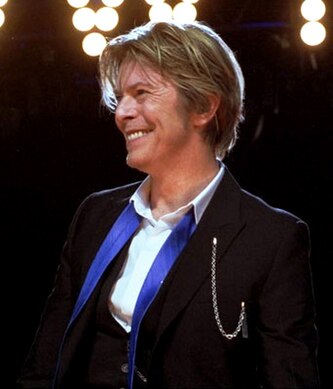
About David Bowie