The small progress we have made after four or five weeks close attendance and continual reasonings with each other … is, methinks, a melancholy proof of the imperfection of the human understanding. We indeed seem to feel our own want of political wisdom, since we have been running about in search of it. We have gone back to ancient history for models of government, and examined the different forms of those republics which, having been formed with seeds of their own dissolution, now no longer exist.
What It Means
This is a placeholder explanation generated by the low-overhead model. It interprets "The small progress we have made after four or five weeks close attendance and continual reasonings with each other … is, methinks, a melancholy proof of the imperfection of the human understanding. We indeed seem to feel our own want of political wisdom, since we have been running about in search of it. We have gone back to ancient history for models of government, and examined the different forms of those republics which, having been formed with seeds of their own dissolution, now no longer exist." in the context of "Benjamin Franklin, debates in the Constitutional Convention, Philadelphia, Pennsylvania, June 28, 1787. James Madison, Journal of the Federal Convention, ed. E. H. Scott, p. 259 (1893)" to mean that wisdom is timeless.

Tags
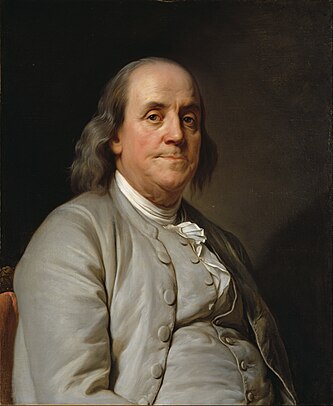
About Benjamin Franklin