The Faith you mention has doubtless its use in the World. I do not desire to see it diminished, nor would I endeavour to lessen it in any Man. But I wish it were more productive of good Works, than I have generally seen it: I mean real good Works, Works of Kindness, Charity, Mercy, and Publick Spirit; not Holiday-keeping, Sermon-Reading or Hearing; performing Church Ceremonies, or making long Prayers, filled with Flatteries and Compliments, despis'd even by wise Men, and much less capable of pleasing the Deity. The worship of God is a Duty; the hearing and reading of Sermons may be useful; but, if Men rest in Hearing and Praying, as too many do, it is as if a Tree should Value itself on being water'd and putting forth Leaves, tho' it never produc'd any Fruit.
What It Means
This is a placeholder explanation generated by the low-overhead model. It interprets "The Faith you mention has doubtless its use in the World. I do not desire to see it diminished, nor would I endeavour to lessen it in any Man. But I wish it were more productive of good Works, than I have generally seen it: I mean real good Works, Works of Kindness, Charity, Mercy, and Publick Spirit; not Holiday-keeping, Sermon-Reading or Hearing; performing Church Ceremonies, or making long Prayers, filled with Flatteries and Compliments, despis'd even by wise Men, and much less capable of pleasing the Deity. The worship of God is a Duty; the hearing and reading of Sermons may be useful; but, if Men rest in Hearing and Praying, as too many do, it is as if a Tree should Value itself on being water'd and putting forth Leaves, tho' it never produc'd any Fruit." in the context of "Letter to Joseph Huey (6 June 1753); published in Albert Henry Smyth, The Writings of Benjamin Franklin, volume 3, p. 145" to mean that wisdom is timeless.
Tags
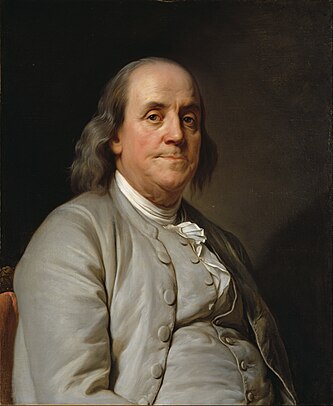
About Benjamin Franklin