Remember me affectionately to good Dr. Price and to the honest heretic Dr. Priestly. I do not call him honest by way of distinction; for I think all the heretics I have known have been virtuous men. They have the virtue of fortitude or they would not venture to own their heresy; and they cannot afford to be deficient in any of the other virtues, as that would give advantage to their many enemies; and they have not like orthodox sinners, such a number of friends to excuse or justify them. Do not, however, mistake me. It is not to my good friend's heresy that I impute his honesty. On the contrary, 'tis his honesty that has brought upon him the character of heretic.
What It Means
This is a placeholder explanation generated by the low-overhead model. It interprets "Remember me affectionately to good Dr. Price and to the honest heretic Dr. Priestly. I do not call him honest by way of distinction; for I think all the heretics I have known have been virtuous men. They have the virtue of fortitude or they would not venture to own their heresy; and they cannot afford to be deficient in any of the other virtues, as that would give advantage to their many enemies; and they have not like orthodox sinners, such a number of friends to excuse or justify them. Do not, however, mistake me. It is not to my good friend's heresy that I impute his honesty. On the contrary, 'tis his honesty that has brought upon him the character of heretic." in the context of "Letter to Benjamin Vaughan (24 October 1788)" to mean that wisdom is timeless.
Tags
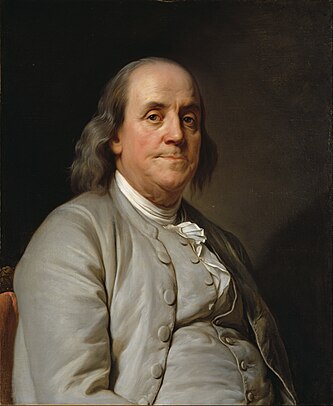
About Benjamin Franklin