Averroes, The Decisive Treatise, Determining the Nature of the Connection between Religion and Philosophy (12th century)
• FM 44 as cited in: Oliver Leaman (2002) An Introduction to Classical Islamic Philosophy. p. 179
• FM 44 as cited in: Oliver Leaman (2002) An Introduction to Classical Islamic Philosophy. p. 179
“
If teleological study of the world is philosophy, and if the Law commands such a study, then the Law commands philosophy.
— Averroes on Teleology
What It Means
This is a placeholder explanation generated by the low-overhead model. It interprets "If teleological study of the world is philosophy, and if the Law commands such a study, then the Law commands philosophy." in the context of "Averroes, The Decisive Treatise, Determining the Nature of the Connection between Religion and Philosophy (12th century)
• FM 44 as cited in: Oliver Leaman (2002) An Introduction to Classical Islamic Philosophy. p. 179" to mean that wisdom is timeless.
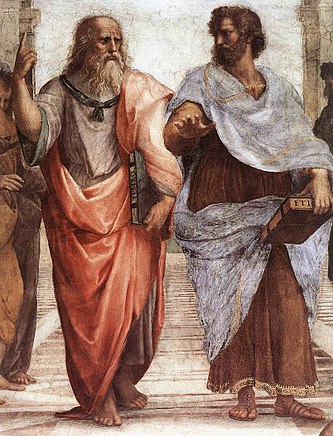
Source: Wikiquote: "Teleology" (Quotes: Quotes are arranged alphabetically by author, A - F)
The 'What it means' explanation text was generated by Google Gemini Flash (accessed January 18, 2026). https://gemini.google.com/app
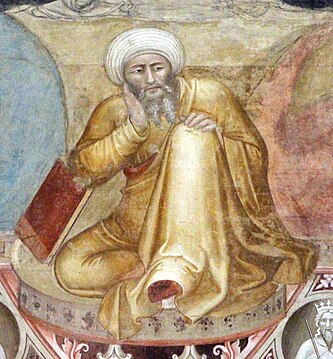
About Averroes
ʾAbū l-Walīd Muḥammad bin ʾAḥmad bin Rušd (14 April 1126 – 10 December 1198), known as Ibn Rushd, Latinized Averroës, was an Andalusian Muslim polymath, a great master of Aristotelian philosophy, Islamic philosophy, Islamic theology, Maliki law and jurisprudence, logic, psychology, politics and Arabic music theory, and the sciences of medicine, astronomy, geography, mathematics, physics and celestial mechanics.
View all quotes →