Afro-Latinos serve as bridges. The most obvious example would be Arturo Alfonso Schomburg. The Schomburg Center for Black Culture [Harlem, New York, USA] is probably the premiere institution for any type of serious scholarship and research on Africans and their descendants. Schomburg was a Black Puerto Rican who came to the United States from Puerto Rico in 1891 at 17. He became an integral part of the Black community – African American and Caribbean; most definitely he served as a bridge. Most of his writings were about Black Latinos, whether in Spain, the Caribbean or South America.
What It Means
This is a placeholder explanation generated by the low-overhead model. It interprets "Afro-Latinos serve as bridges. The most obvious example would be Arturo Alfonso Schomburg. The Schomburg Center for Black Culture [Harlem, New York, USA] is probably the premiere institution for any type of serious scholarship and research on Africans and their descendants. Schomburg was a Black Puerto Rican who came to the United States from Puerto Rico in 1891 at 17. He became an integral part of the Black community – African American and Caribbean; most definitely he served as a bridge. Most of his writings were about Black Latinos, whether in Spain, the Caribbean or South America." in the context of "Miriam Jiménez Román Interview (2012)" to mean that wisdom is timeless.
Tags
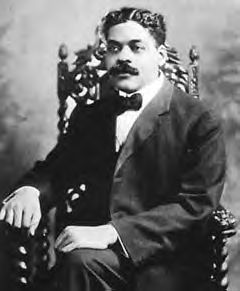
About Arturo Alfonso Schomburg