George W Rickey (1963), in 'The Morphology of Movement: A Study of Kinetic Art.' Art Journal, Vol. 22, No. 4. (Summer, 1963), p. 224
“
Such artists [as Calder] design with 'movement itself' as distinct from a movement which is incidental or accessory...without changing the form. Their movement is as intrinsic as that of a gramophone record or an airplane in flight; without it the object would be something else.
— George W Rickey
What It Means
This is a placeholder explanation generated by the low-overhead model. It interprets "Such artists [as Calder] design with 'movement itself' as distinct from a movement which is incidental or accessory...without changing the form. Their movement is as intrinsic as that of a gramophone record or an airplane in flight; without it the object would be something else." in the context of "George W Rickey (1963), in 'The Morphology of Movement: A Study of Kinetic Art.' Art Journal, Vol. 22, No. 4. (Summer, 1963), p. 224" to mean that wisdom is timeless.
Source: Wikiquote: "Alexander Calder" (Quotes about Alexander Calder)
The 'What it means' explanation text was generated by Google Gemini Flash (accessed January 18, 2026). https://gemini.google.com/app
Tags
About Alexander Calder
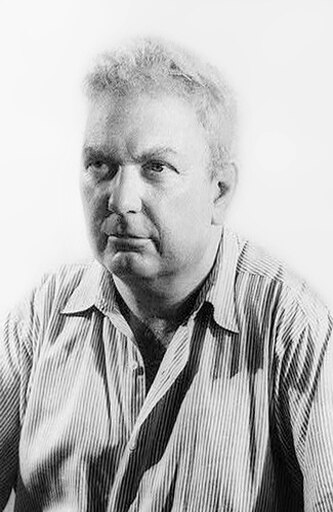
Alexander Calder (August 22, 1898 – November 11, 1976) was an American sculptor known as the originator of the mobile, a type of Kinetic art made with delicately balanced or suspended components which move in response to motor power or air currents.
About Alexander Calder
Alexander Calder (August 22, 1898 – November 11, 1976) was an American sculptor known as the originator of the mobile, a type of Kinetic art made with delicately balanced or suspended components which move in response to motor power or air currents.
View all quotes →