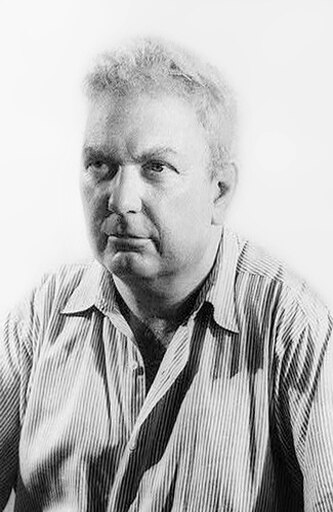
I knew metal working before I knew Calder, and Calder is one of our great men and he is earlier by a few years than any of the rest of us [in American Abstract Expressionism ]. Calder had worked in Paris quite a bit in the early days, though he did go to school here in New York at the Art Students League.. .After my first year in college I had worked on the assembly line in the Studebaker plants up in Indiana..
What It Means
This is a placeholder explanation generated by the low-overhead model. It interprets "I knew metal working before I knew Calder, and Calder is one of our great men and he is earlier by a few years than any of the rest of us [in American Abstract Expressionism ]. Calder had worked in Paris quite a bit in the early days, though he did go to school here in New York at the Art Students League.. .After my first year in college I had worked on the assembly line in the Studebaker plants up in Indiana.." in the context of "David Smith (1960), in an interview with David Sylvester, edited for BBC broadcasting: first published in 'Living Arts', April 1964; as quoted in Interviews with American Artists, by David Sylvester; Chatto & Windus, London 2001, p. 10" to mean that wisdom is timeless.

Tags
About Alexander Calder