Mr. Burke talked in very high terms of Dr. Adam Smith; praised the clearness and depth of his understanding, his profound and extensive learning, and the vast accession that had accrued to British literature and philosophy from these exertions, and described his heart as being equally good with his head and his manners as peculiarly pleasing. Mr. Smith, he said, told him, after they had conversed on subjects of political economy, that he was the only man, who, without communication, thought on these topics exactly as he did.
What It Means
This is a placeholder explanation generated by the low-overhead model. It interprets "Mr. Burke talked in very high terms of Dr. Adam Smith; praised the clearness and depth of his understanding, his profound and extensive learning, and the vast accession that had accrued to British literature and philosophy from these exertions, and described his heart as being equally good with his head and his manners as peculiarly pleasing. Mr. Smith, he said, told him, after they had conversed on subjects of political economy, that he was the only man, who, without communication, thought on these topics exactly as he did." in the context of "Robert Bisset, The Life of Edmund Burke, Volume II (1800), pp. 428-429" to mean that wisdom is timeless.
Tags
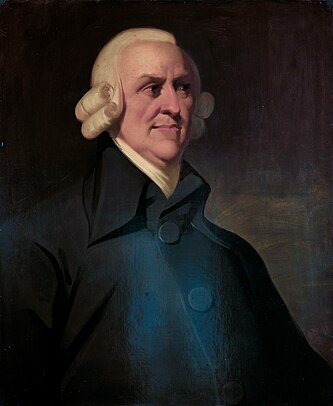
About Adam Smith