William Butler Yeats Quotes (1865-1939)








-100px.png)


About William Butler Yeats
Best William Butler Yeats Quotes
Explore our curated collection of the most famous and impactful William Butler Yeats quotes.


Is ponderable to our touch.”
His mind moves upon silence.”
Can make a stone of the heart.”
In Drumcliff churchyard Yeats is laid.”
Folk dance like a wave of the sea.”

Which is the more blest?”

Their ancient, glittering eyes, are gay.”

That is heaven's part, our part
To murmur name upon name.”
Upon a woman won or woman lost?”
The Garden died;
God took the spinning-jenny
Out of his side.”

Somewhere in ear-shot for the story’s end.”

Made all platonic tolerance vain
And vain all Doric discipline.”
A crazy salad with their meat
Whereby the Horn of plenty is undone.”

That the worst rogues and rascals had died out.”
Through summer and winter, seem
Enchanted to a stone
To trouble the living stream.”

Alone, important and wise,
And lifts to the changing moon
His changing eyes.”
Gunshot or a noose,
For Death who takes what man would keep,
Leaves what man would lose.”

Being by the world oppressed,
But now with flattering tongue
It speeds the parting guest.”
Man is in love and loves what vanishes,
What more is there to say?”

Where beauty has no ebb, decay no flood,
But joy is wisdom, time an endless song.”
The woodland paths are dry,
Under the October twilight the water
Mirrors a still sky.”
To mighty Paris when he found
Sleep upon a golden bed
That first dawn in Helen’s arms?”
I must lie down where all the ladders start
In the foul rag-and-bone shop of the heart.”

That the future years had come,
Dancing to a frenzied drum,
Out of the murderous innocence of the sea.”
Of distorting days
Lives that lonely thing
That shone before these eyes
Targeted, trod like Spring.”
In the mind alone;
He that sings a lasting song
Thinks in a marrow-bone.”
Excited, passionate, fantastical
Imagination, nor an ear and eye
That more expected the impossible.”
The place of excrement;
For nothing can be sole or whole
That has not been rent.”
And prayer comes round again —
That I may seem, though I die old,
A foolish, passionate man.”
Whenever I remake a song
Should know what issue is at stake,
It is myself that I remake.”
When painted panel, statuary.
Glass-mosaic, window-glass,
Amended what was told awry
By some peasant gospeller.”
They paddle in the cold
Companionable streams or climb the air;
Their hearts have not grown old.”
I talked about an apparition,
I took no trouble to convince,
Or seem plausible to a man of sense.”
That fancied goodness might be gay,
And sick of solitude
Might proclaim a holiday:
Wind shrieked— and where are they?”
So mastered by the brute blood of the air,
Did she put on his knowledge with his power
Before the indifferent beak could let her drop?”
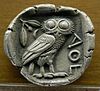
With all those calendars whereon
They fixed old aching eyes,
They never saw how seasons run,
And now but gape at the sun.”
Endures a moment or a day.
Love’s pleasure drives his love away,
The painter’s brush consumes his dreams.”
Myself must I remake
Till I am Timon and Lear
Or that William Blake
Who beat upon the wall
Till Truth obeyed his call.”
Perfection of the life, or of the work,
And if it take the second must refuse
A heavenly mansion, raging in the dark.”
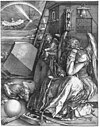

Should dance attention upon my old age;
They were not such a plague when I was young;
What else have I to spur me into song?”
We pieced our thoughts into philosophy,
And planned to bring the world under a rule,
Who are but weasels fighting in a hole.”
And a great army but a showy thing;
What matter that no cannon had been turned
Into a ploughshare?”
Rides upon sleep: a drunken soldiery
Can leave the mother, murdered at her door,
To crawl in her own blood, and go scot-free.”
A fabulous, formless darkness in;
Odour of blood when Christ was slain
Made all platonic tolerance vain
And vain all Doric discipline.”
That seemed sheer miracle to the multitude,
protected from the circle of the moon
That pitches common things about.”
Whatever mischief seemed
To afflict mankind, but now
That winds of winter blow
Learn that we were crack-pated when we dreamed.”

Through all the lying days of my youth
I swayed my leaves and flowers in the sun;
Now I may wither into the truth.”
Here at life’s end
Neither loose imagination,
Nor the mill of the mind
Consuming its rag and bone,
Can make the truth known.”
Although their children need a rich estate.
No man has ever lived that had enough
Of children’s gratitude or woman’s love.”
And time and the world are ever in flight;
And love is less kind than the grey twilight,
And hope is less dear than the dew of the morn.”
Although it be for children that you sigh:
These are the clouds about the fallen sun,
The majesty that shuts his burning eye.”
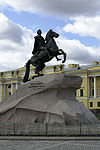
Savage indignation there
Cannot lacerate his breast.
Imitate him if you dare,
World-besotted traveller; he
Served human liberty.”
May well be of all evil chances chief.
If there’s no hatred in a mind
Assault and battery of the wind
Can never tear the linnet from the leaf.”
There is nobody wise enough
To find out all that is in it,'''
For he would be thinking of love
Till the stars had run away
And the shadows eaten the moon.”
On limestone quarried near the spot
By his command these words are cut:
Cast a cold eye
On life, on death.
Horseman, pass by!”
Sing whatever is well made,
Scorn the sort now growing up
All out of shape from toe to top,
Their unremembering hearts and heads
Base-born products of base beds.”
As my long-planned half solitude,
Where I can sit up half the night
With some friend that has the wit
Not to allow his looks to tell
When I am unintelligible.”
And love comes in at the eye;
That's all we shall know for truth
Before we grow old and die.
I lift the glass to my mouth,
I look at you, and I sigh.”
From where pan’s cavern is
Intolerable music falls.
Foul goat-head, brutal arm appear,
Belly, shoulder, bum,
Flash fishlike; nymphs and satyrs
Copulate in the foam.”
Or things I did not do or say
But thought that I might say or do,
Weigh me down, and not a day
But something is recalled,
My conscience or my vanity appalled.”
MacDonagh and MacBride
And Connolly and Pearse
Now and in time to be,
Wherever green is worn,
Are changed, changed utterly:
A terrible beauty is born.”
Before you were, or any hearts to beat,
Weary and kind one lingered by His seat;
He made the world to be a grassy road
Before her wandering feet.”
A beggar upon horseback lashes a beggar on foot.
Hurrah for revolution and cannon come again!
The beggars have changed places, but the lash goes on.”

For these red lips, with all their mournful pride,
Mournful that no new wonder may betide,
Troy passed away in one high funeral gleam,
And Usna's children died.”
That merely stood, rocking the glittering coach
Above the cloudy shoulders of the horses;
I would be — for no knowledge is worth a straw —
Ignorant and wanton as the dawn.”
Tragedy wrought to its uttermost.
Though Hamlet rambles and Lear rages,
And all the drop-scenes drop at once
Upon a hundred thousand stages,
It cannot grow by an inch or an ounce.”
That you were beautiful, and that I strove
To love you in the old high way of love;
That it had all seemed happy, and yet we'd grown
As weary-hearted as that hollow moon.”
And everything that your own hands have wrought
And call those works extravagance of breath
That are not suited for such men as come
Proud, open-eyed and laughing to the tomb.”
Goldsmith and Burke, Swift and the Bishop of Cloyne
All hated Whiggery; but what is Whiggery?
A levelling, rancorous, rational sort of mind
That never looked out of the eye of a saint
Or out of drunkard’s eye.”
Come near me, while I sing the ancient ways:
Cuchulain battling with the bitter tide;
The Druid, grey, wood-nurtured, quiet-eyed,
Who cast round Fergus dreams, and ruin untold;”
That all her thoughts may like the linnet be,
And have no business but dispensing round
Their magnanimities of sound,
Nor but in merriment begin a chase,
Nor but in merriment a quarrel.”
Coming with vivid faces
From counter or desk among grey
Eighteenth-century houses.
I have passed with a nod of the head
Or polite meaningless words,
Or have lingered awhile and said
Polite meaningless words.”
The round green eyes and the long wavering bodies
Of the dark leopards of the moon?
All the wild witches, those most noble ladies,
For all their broom-sticks and their tears,
Their angry tears, are gone.”
And lost the old nonchalance of the hand;
Whether we have chosen chisel, pen or brush,
We are but critics, or but half create,
Timid, entangled, empty and abashed,
Lacking the countenance of our friends.”
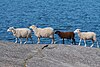

Is hid in the heart of love:
The folk who are buying and selling,
The clouds on their journey above,
The cold wet winds ever blowing,
And the shadowy hazel grove
Where mouse-grey waters are flowing,
Threaten the head that I love.”
The grey wing upon every tide;
For this that all that blood was shed,
For this Edward Fitzgerald died,
And Robert Emmet and Wolfe Tone,
All that delirium of the brave?
Romantic Ireland’s dead and gone,
It’s with O’Leary in the grave.”
Then he struggled with the mind;
His proud heart he left behind.
Now his wars on God begin;
At stroke of midnight God shall win.
Supernatural Songs, IX, The Four Ages of Man”
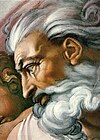

The Emperor’s drunken soldiery are abed;
Night resonance recedes, night walkers’ song
After great cathedral gong;
A starlit or a moonlit dome disdains
All that man is,
All mere complexities,
The fury and the mire of human veins.”
The hand and lash that beat down frigid Rome?
What sacred drama through her body heaved
When world-transforming Charlemagne was conceived?
Supernatural Songs, VIII, Whence Had They Come?”

Covered with embroideries
Out of old mythologies
From heel to throat;
But the fools caught it,
Wore it in the world’s eyes
As though they’d wrought it.
Song, let them take it,
For there’s more enterprise
In walking naked.”

Flames that no faggot feeds, nor steel has lit,
Nor storm disturbs, flames begotten of flame,
Where blood-begotten spirits come
And all complexities of fury leave,
Dying into a dance,
An agony of trance,
An agony of flame that cannot singe a sleeve.”
A drunken, vain-glorious lout.
He had done most bitter wrong
To some who are near my heart,
Yet I number him in the song;
He, too, has resigned his part
In the casual comedy;
He, too, has been changed in his turn,
Transformed utterly:
A terrible beauty is born.”
So let her think opinions are accursed.
Have I not seen the loveliest woman born
Out of the mouth of plenty’s horn,
Because of her opinionated mind
Barter that horn and every good
By quiet natures understood
For an old bellows full of angry wind?”

Since Adam’s fall but needs much labouring.
There have been lovers who thought love should be
So much compounded of high courtesy
That they would sigh and quote with learned looks
Precedents out of beautiful old books;
Yet now it seems an idle trade enough.”
Beauty to make a stranger’s eye distraught,
Or hers before a looking-glass, for such,
Being made beautiful overmuch,
Consider beauty a sufficient end,
Lose natural kindness and maybe
The heart-revealing intimacy
That chooses right, and never find a friend.”
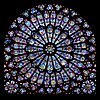
The soul recovers radical innocence
And learns at last that it is self-delighting,
Self-appeasing, self-affrighting,
And that its own sweet will is Heaven’s will;
She can, though every face should scowl
And every windy quarter howl
Or every bellows burst, be happy still.”
That shakes the shutter, to have brought to mind
All those that manhood tried, or childhood loved
Or boyish intellect approved,
With some appropriate commentary on each;
Until imagination brought
A fitter welcome; but a thought
Of that late death took all my heart for speech.”
I sat, a solitary man,
In a crowded London shop,
An open book and empty cup
On the marble table-top.
While on the shop and street I gazed
My body of a sudden blazed;
And twenty minutes more or less
It seemed, so great my happiness,
That I was blessed and could bless.”
The entire combustible world in one small room
As though dried straw, and if we turn about
The bare chimney is gone black out
Because the work had finished in that flare.
Soldier, scholar, horseman, he,
As ’twere all life’s epitome.
What made us dream that he could comb grey hair?”
My bodily form from any natural thing,
But such a form as Grecian goldsmiths make
Of hammered gold and gold enamelling
To keep a drowsy Emperor awake;
Or set upon a golden bough to sing
To lords and ladies of Byzantium
Of what is past, or passing, or to come.”
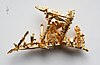

Made out of a wild thought, is in my marrow.
There's no man may look upon her, no man,
As when newly grown to be a woman,
Tall and noble but with face and bosom
Delicate in colour as apple blossom.
This beauty's kinder, yet for a reason
I could weep that the old is out of season.”
In one another’s arms, birds in the trees
—Those dying generations—at their song,
The salmon-falls, the mackerel-crowded seas,
Fish, flesh, or fowl, commend all summer long
Whatever is begotten, born, and dies.
Caught in that sensual music all neglect
Monuments of unaging intellect.”
Hearts are not had as a gift but hearts are earned
By those that are not entirely beautiful;
Yet many, that have played the fool
For beauty’s very self, has charm made wise.
And many a poor man that has roved,
Loved and thought himself beloved,
From a glad kindness cannot take his eyes.”
All other lovers being estranged or dead,
Unfriendly lamplight hid under its shade,
The curtains drawn upon unfriendly night,
That we descant and yet again descant
Upon the supreme theme of Art and Song:
Bodily decrepitude is wisdom; young
We loved each other and were ignorant.”
Enwrought with the golden and silver light,
The blue and the dim and the dark cloths
Of night and light and half-light,
I would spread the cloths under your feet:
But I, being poor, have only my dreams;
I have spread my dreams beneath your feet;
Tread softly because you tread on my dreams.”
The body is not bruised to pleasure soul.
Nor beauty born out of its own despair,
Nor blear-eyed wisdom out of midnight oil.
O chestnut-tree, great-rooted blossomer,
Are you the leaf, the blossom or the bole?
O body swayed to music, O brightening glance,
How can we know the dancer from the dance?”
And a small cabin build there, of clay and wattles made:
Nine bean-rows will I have there, a hive for the honeybee,
And live alone in the bee-loud glade.
And I shall have some peace there, for peace comes dropping slow
Dropping from the veils of the morning to where the cricket sings;”

That could show what Homer's age
Bred to be a hero's wage.
''''Were not all her life but a storm,
Would not painters pain a form
Of such noble lines,'''' I said,
'Such a delicate high head,
All that sternness amid charm,
All that sweetness amid strength?
Ah, but peace that comes at length,
Came when Time had touched her form.”
I loved long and long,
And grew to be out of fashion
Like an old song.
All through the years of our youth
Neither could have known
Their own thought from the other's
We were so much at one.
But O, in a minute she changed--
O do not love too long,
Or you will grow out of fashion
Like an old song.”

I gave what other women gave
That stepped out of their clothes.
But when this soul, its body off,
Naked to naked goes,
He it has found shall find therein
What none other knows,
And give his own and take his own
And rule in his own right;
And though it loved in misery
Close and cling so tight,
There’s not a bird of day that dare
Extinguish that delight.
Where dips the rocky highland
Of Sleuth Wood in the lake,
There lies a leafy island
Where flapping herons wake
The drowsy water rats;
There we've hid our faery vats,
Full of berries
And of reddest stolen cherries.
'''''Come away, O human child!
To the waters and the wild
With a faery, hand in hand,
For the world's more full of weeping than you can understand.''' ''
In their stiff, painted clothes, the pale unsatisfied ones
Appear and disappear in the blue depth of the sky
With all their ancient faces like rain-beaten stones,
And all their helms of Silver hovering side by side,
And all their eyes still fixed, hoping to find once more,
Being by Calvary’s turbulence unsatisfied,
The uncontrollable mystery on the bestial floor.”
Yet if it does not seem a moment’s thought,
Our stitching and unstitching has been naught.
Better go down upon your marrow-bones
And scrub a kitchen pavement, or break stones
Like an old pauper, in all kinds of weather;
For to articulate sweet sounds together
Is to work harder than all these, and yet
Be thought an idler by the noisy set
Of bankers, schoolmasters, and clergymen
The martyrs call the world.”
Be secret and take defeat
From any brazen throat,
For how can you compete,
Being honour bred, with one
Who, were it proved he lies,
Were neither shamed in his own
Nor in his neighbours’ eyes?
Bred to a harder thing
Than Triumph, turn away
And like a laughing string
Whereon mad fingers play
Amid a place of stone,
Be secret and exult,
Because of all things known
That is most difficult.”
In this altar-piece the knight,
Who grips his long spear so to push
That dragon through the fading light,
Loved the lady; and it’s plain
The half-dead dragon was her thought,
That every morning rose again
And dug its claws and shrieked and fought.
Could the impossible come to pass
She would have time to turn her eyes,
Her lover thought, upon the glass
And on the instant would grow wise.”
Down by the salley gardens my love and I did meet;
She passed the salley gardens with little snow-white feet.
She bid me take love easy, as the leaves grow on the tree;
But I, being young and foolish, with her would not agree.
In a field by the river my love and I did stand,
And on my leaning shoulder she laid her snow-white hand.
She bid me take life easy, as the grass grows on the weirs;
But I was young and foolish, and now am full of tears.
With misery, or that she would of late
Have taught to ignorant men most violent ways,
Or hurled the little streets upon the great,
Had they but courage equal to desire?
What could have made her peaceful with a mind
That nobleness made simple as a fire,
With beauty like a tightened bow, a kind
That is not natural in an age like this,
Being high and solitary and most stern?
Why, what could she have done, being what she is?
Was there another Troy for her to burn?”
Will hardly seem worth thinking of
To passionate women if it seem
Certain, and they never dream
That it fades out from kiss to kiss;
For everything that's lovely is
but a brief, dreamy, kind of delight.
O never give the heart outright,
For they, for all smooth lips can say,
Have given their hearts up to the play.
And who could play it well enough
If deaf and dumb and blind with love?
He that made this knows all the cost,
For he gave all his heart and lost.”
When you are old and gray and full of sleep,
And nodding by the fire, take down this book,
And slowly read, and dream of the soft look
Your eyes had once, and of their shadows deep;
How many loved your moments of glad grace,
And loved your beauty with love false or true,
But one man loved the pilgrim soul in you,
And loved the sorrows of your changing face.
And bending down beside the glowing bars,
Murmur, a little sadly, how Love fled
And paced upon the mountains overhead
And hid his face amid a crowd of stars.
O hurry where by water among the trees
The delicate-stepping stag and his lady sigh,
When they have but looked upon their images--
Would none had ever loved but you and I!
Or have you heard that sliding silver-shoed
Pale silver-proud queen-woman of the sky,
When the sun looked out of his golden hood?--
O that none ever loved but you and I!
O hurry to the ragged wood, for there
I will drive all those lovers out and cry—
O my share of the world, O yellow hair!
No one has ever loved but you and I.
Has dried the sap out of my veins, and rent
Spontaneous joy and natural content
Out of my heart. There's something ails our colt
That must, as if it had not holy blood
Nor on Olympus leaped from cloud to cloud,
Shiver under the lash, strain, sweat and jolt
As though it dragged road-metal. My curse on plays
That have to be set up in fifty ways,
On the day's war with every knave and dolt,
Theatre business, management of men.
I swear before the dawn comes round again
I'll find the stable and pull out the bolt.
”
Who comes at need, although not now as once
A clear articulation in the air,
But inwardly, surmise companions
Beyond the fling of the dull ass’s hoof
—Ben Jonson’s phrase—and find when June is come
At Kyle-na-no under that ancient roof
A sterner conscience and a friendlier home,
I can forgive even that wrong of wrongs,
Those undreamt accidents that have made me
—Seeing that Fame has perished that long while,
Being but a part of ancient ceremony—
Notorious, till all my priceless things
Are but a post the passing dogs defile.”
A little space for the rose-breath to fill!
Lest I no more hear common things that crave;
The weak worm hiding down in its small cave,
The field-mouse running by me in the grass,
And heavy mortal hopes that toil and pass;
But seek alone to hear the strange things said
By God to the bright hearts of those long dead,
And learn to chaunt a tongue men do not know.
Come near; I would, before my time to go,
Sing of old Eire and the ancient ways:
Red Rose, proud Rose, sad Rose of all my days.”
Somewhere among the clouds above;
Those that I fight I do not hate,
Those that I guard I do not love;
My county is Kiltartan Cross,
My countrymen Kiltartan’s poor,
No likely end could bring them loss
Or leave them happier than before.
Nor law, nor duty bade me fight,
Nor public men, nor cheering crowds,
A lonely impulse of delight
Drove to this tumult in the clouds;
I balanced all, brought all to mind,
The years to come seemed waste of breath,
A waste of breath the years behind
In balance with this life, this death.”
The verses that could move them on the day
When, the ears being deafened, the sight of the eyes blind
With lightning, you went from me, and I could find
Nothing to make a song about but kings,
Helmets, and swords, and half-forgotten things
That were like memories of you--but now
We'll out, for the world lives as long ago;
And while we're in our laughing, weeping fit,
Hurl helmets, crowns, and swords into the pit.
But, dear, cling close to me; since you were gone,
My barren thoughts have chilled me to the bone.”
Make their faint thunder, and the garden bees
Hum in the lime-tree flowers; and put away
The unavailing outcries and the old bitterness
That empty the heart. I have forgot awhile
Tara uprooted, and new commonness
Upon the throne and crying about the streets
And hanging its paper flowers from post to post,
Because it is alone of all things happy.
I am contented, for I know that Quiet
Wanders laughing and eating her wild heart
Among pigeons and bees, while that Great Archer,
Who but awaits His house to shoot, still hands
A cloudy quiver over Pairc-na-lee.”
'Your well-belovéd's hair has threads of grey,
And little shadows come about her eyes;
Time can but make it easier to be wise
Though now it seems impossible, and so
All that you need is patience.''''
Heart cries, 'No,
I have not a crumb of comfort, not a grain.
Time can but make her beauty over again:
Because of that great nobleness of hers
The fire that stirs about her, when she stirs,
Burns but more clearly. O she had not these ways
When all the wild summer was in her gaze.''''
O heart! O heart! if she'd but turn her head,
You'd know the folly of being comforted.”

The butt-end of a steering-oar,
And saw wherever I could turn
A crowd upon a shore.
And though I would have hushed the crowd,
There was no mother's son but said,
'What is the figure in a shroud
Upon a gaudy bed?'
And after running at the brim
Cried out upon that thing beneath
--It had such dignity of a limb--
By the sweet name of Death.
Though I'd my finger on my lip,
What could I but take up the song?
And running crowd and gaudy ship
Cried out the whole night long,
Crying amid the glittering sea,
Naming it with the ecstatic breath,
Because it had such dignity,
By the sweet name of Death.”

O heart, be at peace, because
Nor knave nor dolt can break
What's not for their applause
Being for a woman's sake.
Enough if the work has seemed,
So did she your strength renew,
A dream that a lion had dreamed
Till the wilderness cried aloud,
A secret between you two,
Between the proud and the proud.
What, still you would have their praise!
But here's a haughtier text,
The labyrinth of her days
That her own strangeness perplexed;
And how what her dreaming gave
Earned slander, ingratitude,
From self-same dolt and knave;
Aye, and worse wrong than these.
Yet she, singing upon her road,
Half lion, half child, is at peace.
Turning and turning in the widening gyre
The falcon cannot hear the falconer;
Things fall apart; the centre cannot hold;
Mere anarchy is loosed upon the world,
The blood-dimmed tide is loosed, and everywhere
The ceremony of innocence is drowned;
The best lack all conviction, while the worst
Are full of passionate intensity.
Surely some revelation is at hand;
Surely the Second Coming is at hand.
The Second Coming! Hardly are those words out
When a vast image out of Spiritus Mundi
Troubles my sight: a waste of desert sand;
A shape with lion body and the head of a man,
A gaze blank and pitiless as the sun,
Is moving its slow thighs, while all about it
Wind shadows of the indignant desert birds.
The darkness drops again but now I know
That twenty centuries of stony sleep
Were vexed to nightmare by a rocking cradle,
And what rough beast, its hour come round at last,
Slouches towards Bethlehem to be born?
William Butler Yeats Quotes by Topic
Find exactly what you are looking for by browsing this categorized list of William Butler Yeats quotes by topic.
William Butler Yeats on Love 5 quotes
View all 5 quotes on Love →William Butler Yeats on Friendship 3 quotes

William Butler Yeats on Dreams 2 quotes
William Butler Yeats on Roses 2 quotes
View all 2 quotes on Roses →William Butler Yeats on Barter 2 quotes
What William Butler Yeats Said About Others
Discover personal opinions William Butler Yeats shared regarding contemporaries.
William Butler Yeats on Lionel Johnson 6 quotes

William Butler Yeats on Ernest Dowson 2 quotes
William Butler Yeats on William Ernest Henley 2 quotes

William Butler Yeats on George Moore (novelist) 2 quotes
-100px.jpg)
Quotes About William Butler Yeats
Gain deeper perspective through quotes about William Butler Yeats from others.
W. H. Auden on William Butler Yeats 2 quotes

John J. Cavanaugh on William Butler Yeats
Lord David Cecil on William Butler Yeats

Seamus Deane on William Butler Yeats
T. S. Eliot on William Butler Yeats 2 quotes


