This Neo-Dada, which they call New Realism, Pop Art, Assemblage etc. [Duchamp is referring to Andy Warhol and Roy Lichtenstein,] is an easy way out and lives on what Dada did. When I discovered ready-mades I thought to discourage aesthetics. In Neo-Dada they have taken my ready-made's and found aesthetic beauty in them. I threw the bottle-rack and the urinal in their faces as a challenge and now they admire them for their aesthetic beauty.
What It Means
This is a placeholder explanation generated by the low-overhead model. It interprets "This Neo-Dada, which they call New Realism, Pop Art, Assemblage etc. [Duchamp is referring to Andy Warhol and Roy Lichtenstein,] is an easy way out and lives on what Dada did. When I discovered ready-mades I thought to discourage aesthetics. In Neo-Dada they have taken my ready-made's and found aesthetic beauty in them. I threw the bottle-rack and the urinal in their faces as a challenge and now they admire them for their aesthetic beauty." in the context of "Marcel Duchamp (1962), in his letter to the German artist Hans Richter; as quoted in Hans Richter, Dada Art and Anti-Art - New York: McGraw-Hill, 1965, pp. 207-8" to mean that wisdom is timeless.
Tags
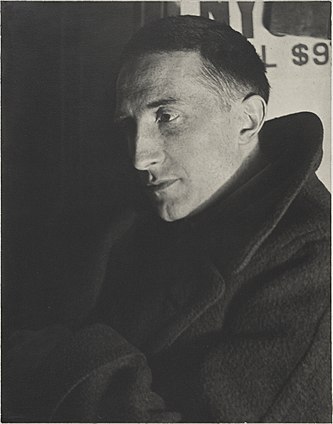
About Marcel Duchamp