Lucretius, "De rerum natura" (c. 60 BC).
“
Only because the people see So much in land and sky For which they do not know the cause, They think Divinities are working there. If they could but see that Nothing can be created from nothing, Then they would advance one more step Toward the answer that they seek: Those eternal elements became Everything that is, Without interference from Gods.
— Lucretius on Creationism
What It Means
This is a placeholder explanation generated by the low-overhead model. It interprets "Only because the people see So much in land and sky For which they do not know the cause, They think Divinities are working there. If they could but see that Nothing can be created from nothing, Then they would advance one more step Toward the answer that they seek: Those eternal elements became Everything that is, Without interference from Gods." in the context of "Lucretius, "De rerum natura" (c. 60 BC)." to mean that wisdom is timeless.
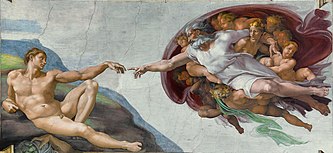
Source: Wikiquote: "Creationism" (Quotes, ancient history: Quotes are arranged by time period and/or other thematic origin, and then chronologically by author, Greek and Roman)
The 'What it means' explanation text was generated by Google Gemini Flash (accessed January 18, 2026). https://gemini.google.com/app
Tags

About Lucretius
Titus Lucretius Carus (c. 99 BC – 55 BC) was a Roman poet and philosopher. His major work is De Rerum Natura, On the Nature of Things, which is considered by some to be the greatest masterpiece of Latin verse.
About Lucretius
Titus Lucretius Carus (c. 99 BC – 55 BC) was a Roman poet and philosopher. His major work is De Rerum Natura, On the Nature of Things, which is considered by some to be the greatest masterpiece of Latin verse.
View all quotes →