Here in this Babylon, that’s festering forth as much evil as the rest of the earth; Here where true Love deprecates his worth, as his powerful mother pollutes everything. Here where evil is refined and good is cursed, and tyranny, not honor, has its way; Here where the Monarchy, in disarray, blindly attempts to mislead God, and worse. Here in this labyrinth, where Royalty, willingly, chooses to succumb before the Gates of Greed and Infamy; Here in this murky chaos and delirium, I carry out my tragic destiny, but never will I forget you, Jerusalem!
What It Means
This is a placeholder explanation generated by the low-overhead model. It interprets "Here in this Babylon, that’s festering forth as much evil as the rest of the earth; Here where true Love deprecates his worth, as his powerful mother pollutes everything. Here where evil is refined and good is cursed, and tyranny, not honor, has its way; Here where the Monarchy, in disarray, blindly attempts to mislead God, and worse. Here in this labyrinth, where Royalty, willingly, chooses to succumb before the Gates of Greed and Infamy; Here in this murky chaos and delirium, I carry out my tragic destiny, but never will I forget you, Jerusalem!" in the context of "Luís de Camões, Cá nesta Babilónia, donde mana, translated by William Baer." to mean that wisdom is timeless.

Tags
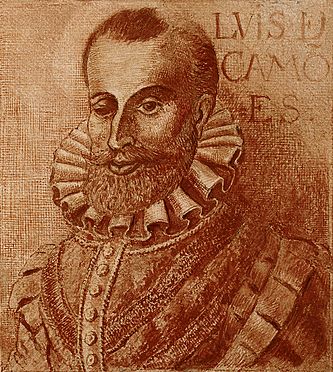
About Luís de Camões