Lord Byron, "Stanzas To A Lady, With The Poems Of Camoens", in The Works of Lord Byron, Including His Suppressed Poems (1827), p. 3
“
He was in sooth a genuine bard; His was no faint, fictitious flame. Like his, may love be thy reward, But not thy hapless fate the same.
— Lord Byron
What It Means
This is a placeholder explanation generated by the low-overhead model. It interprets "He was in sooth a genuine bard; His was no faint, fictitious flame. Like his, may love be thy reward, But not thy hapless fate the same." in the context of "Lord Byron, "Stanzas To A Lady, With The Poems Of Camoens", in The Works of Lord Byron, Including His Suppressed Poems (1827), p. 3" to mean that wisdom is timeless.

Source: Wikiquote: "Luís de Camões" (Quotes about Camões: See also: Quotes about Os Lusíadas
)
The 'What it means' explanation text was generated by Google Gemini Flash (accessed January 18, 2026). https://gemini.google.com/app
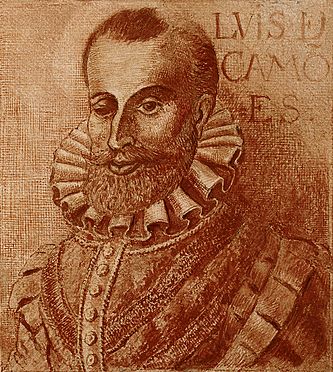
About Luís de Camões
Luís Vaz de Camões (or de Camoens) (c. 1524 – June 10 1580) is considered the national poet of Portugal and the Portuguese language's greatest poet. He wrote a considerable amount of lyrical poetry and drama, but is best remembered for his epic work Os Lusíadas (The Lusiads), the influence of which is so profound that Portuguese is sometimes called the "language of Camões".
View all quotes →