He who thinks that lasting peace can be brought about by means of war, “the last war,” is wrong. Equally wrong are those who imagine that the working class can be assured prosperity and freedom by organizing economic life an a militaristic basis. No less erroneous is it to strive for a dictatorship for the purpose of crushing the enemy and establishing the proletariat in a privileged position in the state and Society while reducing the rest of the population to the position of pariahs as a means of establishing ultimately socialist equality for all. But most objectionable of all would it be to attempt to build a regime of humanity upon the basis of brutality.
What It Means
This is a placeholder explanation generated by the low-overhead model. It interprets "He who thinks that lasting peace can be brought about by means of war, “the last war,” is wrong. Equally wrong are those who imagine that the working class can be assured prosperity and freedom by organizing economic life an a militaristic basis. No less erroneous is it to strive for a dictatorship for the purpose of crushing the enemy and establishing the proletariat in a privileged position in the state and Society while reducing the rest of the population to the position of pariahs as a means of establishing ultimately socialist equality for all. But most objectionable of all would it be to attempt to build a regime of humanity upon the basis of brutality." in the context of "Chap. V, The Period of Dictatorship" to mean that wisdom is timeless.
Tags
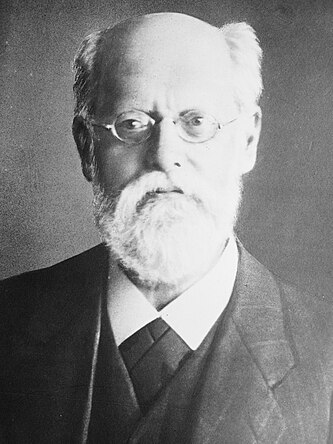
About Karl Kautsky