Act 3 (tr. Chandra Rajan, 1989)
“
What is intended to be said, if left unsaid, becomes a matter of regret later.
— Kalidasa
What It Means
This is a placeholder explanation generated by the low-overhead model. It interprets "What is intended to be said, if left unsaid, becomes a matter of regret later." in the context of "Act 3 (tr. Chandra Rajan, 1989)" to mean that wisdom is timeless.
Source: Wikiquote: "Kalidasa" (Quotes, Abhijñānaśākuntalam: (The Sign of Shakuntala))
The 'What it means' explanation text was generated by Google Gemini Flash (accessed January 18, 2026). https://gemini.google.com/app
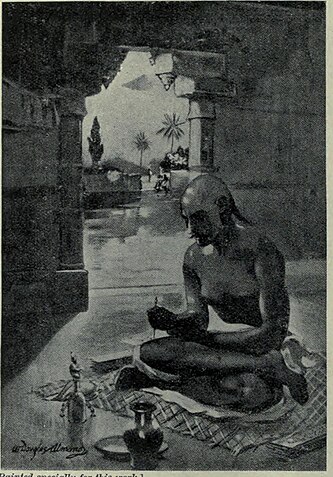
About Kalidasa
Kālidāsa (Sanskrit: कालिदास Kālidāsaकालिदास, "Servant of Kali"; fl. 4th–5th century AD) was a Classical Sanskrit author who is often considered ancient India's greatest poet and playwright. His plays and poetry are primarily based on Hindu Puranas and philosophy. His surviving works consist of three plays, two epic poems and two shorter poems.
View all quotes →