Panikkar’s study was primarily aimed at providing a survey of Western imperialism in Asia from CE 1498 to 1945. Christian missions came into the picture simply because he found them arrayed always and everywhere alongside Western gunboats, diplomatic pressures, extraterritorial rights and plain gangsterism. Contemporary records consulted by him could not but cut to size the inflated images of Christian heroes such as Francis Xavier and Matteo Ricci. They were found to be not much more than minions employed by European kings and princes scheming to carve out empires in the East. Their methods of trying to convert kings and commoners in Asia, said Panikkar, were force or fraud or conspiracy and morally questionable in every instance. Finding that “missionary activities… which became so prominent a feature of European relations with Asia were connected with Western political supremacy in Asia and synchronised with it” he concluded: “It may indeed be said that the most serious, persistent and planned effort of European nations in the nineteenth century was their missionary activities in India and China, where a large-scale attempt was made to effect a mental and spiritual conquest at supplementing the political authority already enjoyed by Europe. Though the results were disappointing in the extreme from the missionary point of new, this assault on the spiritual foundations of Asian countries has had far-reaching consequences in the religious and social reorganization of the people...
What It Means
This is a placeholder explanation generated by the low-overhead model. It interprets "Panikkar’s study was primarily aimed at providing a survey of Western imperialism in Asia from CE 1498 to 1945. Christian missions came into the picture simply because he found them arrayed always and everywhere alongside Western gunboats, diplomatic pressures, extraterritorial rights and plain gangsterism. Contemporary records consulted by him could not but cut to size the inflated images of Christian heroes such as Francis Xavier and Matteo Ricci. They were found to be not much more than minions employed by European kings and princes scheming to carve out empires in the East. Their methods of trying to convert kings and commoners in Asia, said Panikkar, were force or fraud or conspiracy and morally questionable in every instance. Finding that “missionary activities… which became so prominent a feature of European relations with Asia were connected with Western political supremacy in Asia and synchronised with it” he concluded: “It may indeed be said that the most serious, persistent and planned effort of European nations in the nineteenth century was their missionary activities in India and China, where a large-scale attempt was made to effect a mental and spiritual conquest at supplementing the political authority already enjoyed by Europe. Though the results were disappointing in the extreme from the missionary point of new, this assault on the spiritual foundations of Asian countries has had far-reaching consequences in the religious and social reorganization of the people..." in the context of "Sita Ram Goel, Vindicated by Time: The Niyogi Committee Report (1998)" to mean that wisdom is timeless.

Tags
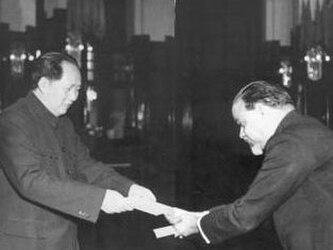
About K. M. Panikkar