A new image of medieval India had also emerged in my mind by reading K.M. Panikkar’s A Survey of Indian History. It was no more the India of Muslim monarchs ruling leisurely over a large empire, building mosques and mazãrs and madrasas and mansions, and patronizing poets and other men of letters. On the contrary, it was the story of the long-drawn-out war which took a decisive turn to the disadvantage of Islamic imperialism with the rise of Shivaji. The war had ended in a victory for the Hindus by the middle of the 18th century.
What It Means
This is a placeholder explanation generated by the low-overhead model. It interprets "A new image of medieval India had also emerged in my mind by reading K.M. Panikkar’s A Survey of Indian History. It was no more the India of Muslim monarchs ruling leisurely over a large empire, building mosques and mazãrs and madrasas and mansions, and patronizing poets and other men of letters. On the contrary, it was the story of the long-drawn-out war which took a decisive turn to the disadvantage of Islamic imperialism with the rise of Shivaji. The war had ended in a victory for the Hindus by the middle of the 18th century." in the context of "S.R. Goel: Muslim Separatism – Causes and Consequences (1987)" to mean that wisdom is timeless.
Tags
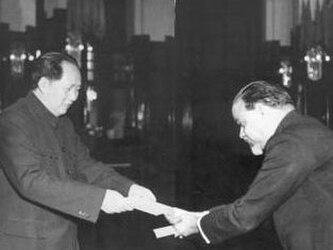
About K. M. Panikkar