Judah P. Benjamin, Senator from Louisiana, on the secession movement in the South (1860). Reported in Allan Nevins, The Emergence of Lincoln (1950), p. 387.
“
It is a revolution; a revolution of the most intense character; in which belief in the justice, prudence, and wisdom of secession is blended with the keenest sense of wrong and outrage, and it can no more be checked by human effort for the time than a prairie fire by a gardener’s watering pot.
— Judah P. Benjamin on American Civil War
What It Means
This is a placeholder explanation generated by the low-overhead model. It interprets "It is a revolution; a revolution of the most intense character; in which belief in the justice, prudence, and wisdom of secession is blended with the keenest sense of wrong and outrage, and it can no more be checked by human effort for the time than a prairie fire by a gardener’s watering pot." in the context of "Judah P. Benjamin, Senator from Louisiana, on the secession movement in the South (1860). Reported in Allan Nevins, The Emergence of Lincoln (1950), p. 387." to mean that wisdom is timeless.

Source: Wikiquote: "American Civil War" (Quotes, Conflict Brewing: The Secession Crisis (1860–1861), Contemporaries)
The 'What it means' explanation text was generated by Google Gemini Flash (accessed January 18, 2026). https://gemini.google.com/app
Tags
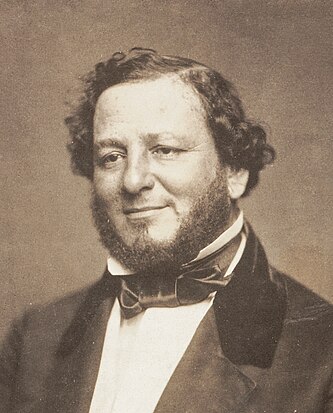
About Judah P. Benjamin
Judah Philip Benjamin (August 6, 1811 – May 6, 1884) was an American politician and lawyer. Born a British subject in the West Indies, he became a citizen of the United States, serving as a Member of the Louisiana House of Representatives and then as a U.S. Senator from Louisiana. During the American Civil War, he sided with the Confederacy and held three Cabinet posts in the government of the Confederate States of America. He was the first Jewish Cabinet-member in a North American government, and had previously been the first Jewish nominee to the U.S. Supreme Court (he declined the position). He was the second Jewish U.S. Senator. After the collapse of the Confederacy, he settled in England and became a distinguished barrister and Queen's Counsel. He died in France.
View all quotes →