Estranha gente, para quem é fora de dúvida que ninguém pode ser moral sem ler a Bíblia, ser forte sem jogar o críquete e ser gentleman sem ser inglês! E é isto que os torna detestados. Nunca se fundem, nunca se desinglesam." - Meaning and context.">
A strange people, for whom it is out of the question that anyone can be moral without reading the Bible, and strong without playing cricket, and a gentleman without being English! And it is this that makes them so detested. They never fuse, they never lose their Englishness.
• "Os Ingleses no Egipto"; "The English in Egypt" pp. 159-60.
“

Estranha gente, para quem é fora de dúvida que ninguém pode ser moral sem ler a Bíblia, ser forte sem jogar o críquete e ser gentleman sem ser inglês! E é isto que os torna detestados. Nunca se fundem, nunca se desinglesam.

— José Maria Eça de Queiroz

What It Means

This is a placeholder explanation generated by the low-overhead model. It interprets "Estranha gente, para quem é fora de dúvida que ninguém pode ser moral sem ler a Bíblia, ser forte sem jogar o críquete e ser gentleman sem ser inglês! E é isto que os torna detestados. Nunca se fundem, nunca se desinglesam." in the context of "A strange people, for whom it is out of the question that anyone can be moral without reading the Bible, and strong without playing cricket, and a gentleman without being English! And it is this that makes them so detested. They never fuse, they never lose their Englishness.
• "Os Ingleses no Egipto"; "The English in Egypt" pp. 159-60." to mean that wisdom is timeless.

Source: Wikiquote: "José Maria Eça de Queiroz" (Quotes, Cartas de Inglaterra (1879–82): English quotations and pagination are taken from Eça de Queiroz (trans. Ann Stevens) Letters from England (1970).) The 'What it means' explanation text was generated by Google Gemini Flash (accessed January 18, 2026). https://gemini.google.com/app
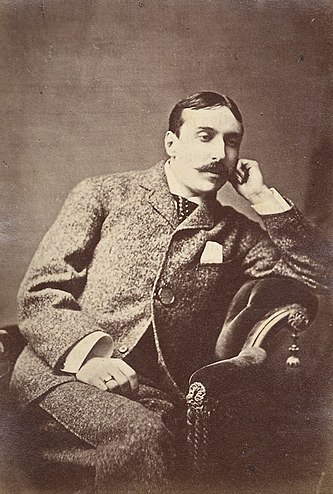
José Maria Eça de Queiroz

About José Maria Eça de Queiroz

José Maria de Eça de Queiroz (or Eça de Queirós) (November 25, 1845 – August 16, 1900) was a Portuguese novelist, short-story writer, travel-writer, critic and diplomat. His novels, which are often compared to those of Balzac, Flaubert and Zola, satirize the Portuguese bourgeoisie and priesthood.