John Adams, regarding a draft of the U.S. Declaration of Independence (1776), as quoted in The Founding Fathers: John Adams: A Biography in his own Words (1973), by James Bishop Peabody, Newsweek, New York, p. 201.
“
Flights of oratory... especially that concerning Negro slavery, which, though I knew his Southern brethren would never suffer to pass in Congress, I certainly would never oppose.
— John Adams on United States Declaration of Independence
What It Means
This is a placeholder explanation generated by the low-overhead model. It interprets "Flights of oratory... especially that concerning Negro slavery, which, though I knew his Southern brethren would never suffer to pass in Congress, I certainly would never oppose." in the context of "John Adams, regarding a draft of the U.S. Declaration of Independence (1776), as quoted in The Founding Fathers: John Adams: A Biography in his own Words (1973), by James Bishop Peabody, Newsweek, New York, p. 201." to mean that wisdom is timeless.

Source: Wikiquote: "United States Declaration of Independence" (Quotes about the Declaration: Alphabetized by author)
The 'What it means' explanation text was generated by Google Gemini Flash (accessed January 18, 2026). https://gemini.google.com/app
Tags
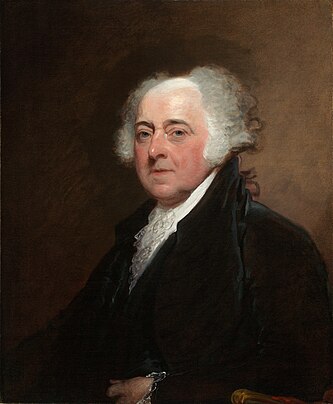
About John Adams
John Adams (30 October 1735 – 4 July 1826) was an American lawyer, author, statesman, and diplomat. He served as the second president of the United States (1797–1801), the first vice president (1789–1797), and as a Founding Father was a leader of American independence from the British Empire. Adams was a political theorist in the Age of Enlightenment who promoted republicanism and a strong central government. His innovative ideas were frequently published. He was also a dedicated diarist and correspondent, particularly with his wife and key advisor Abigail. He was the father of John Quincy Adams.
About John Adams
John Adams (30 October 1735 – 4 July 1826) was an American lawyer, author, statesman, and diplomat. He served as the second president of the United States (1797–1801), the first vice president (1789–1797), and as a Founding Father was a leader of American independence from the British Empire. Adams was a political theorist in the Age of Enlightenment who promoted republicanism and a strong central government. His innovative ideas were frequently published. He was also a dedicated diarist and correspondent, particularly with his wife and key advisor Abigail. He was the father of John Quincy Adams.
View all quotes →