“
Christ also suffered for us, leaving us an example, that ye should follow his steps: Who did no sin, neither was guile found in his mouth: Who, when he was reviled, reviled not again; when he suffered, he threatened not; but committed himself to him that judgeth righteously: Who his own self bare our sins in his own body on the tree, that we, being dead to sins, should live unto righteousness: by whose stripes ye were healed.
— Peter
What It Means
This is a placeholder explanation generated by the low-overhead model. It interprets "Christ also suffered for us, leaving us an example, that ye should follow his steps: Who did no sin, neither was guile found in his mouth: Who, when he was reviled, reviled not again; when he suffered, he threatened not; but committed himself to him that judgeth righteously: Who his own self bare our sins in his own body on the tree, that we, being dead to sins, should live unto righteousness: by whose stripes ye were healed." in the context of "Peter, 1 Peter2:22–24 King James Version." to mean that wisdom is timeless.
Source: Wikiquote: "Jesus" (Quotes about Jesus: Sorted by historical period and date, with sections for quotes from major religious works., New Testament, Sources)
The 'What it means' explanation text was generated by Google Gemini Flash (accessed January 30, 2026). https://gemini.google.com/app
Tags
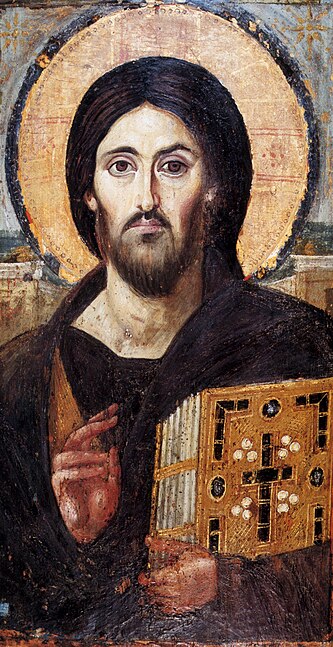
About Jesus
Jesus of Nazareth (c. 4 BC - AD 30 / 33), also known as Jesus Christ, Yeshua, Yeshu, Jesu and Isa, is the central figure of Christianity, a philosopher and teacher. He is believed to have lived around modern Israel, around 1 AD, and to be the Messiah of ultimate salvation and the Son of God by followers of Christian traditions. Manichaeans, Gnostics, Muslims, Bahá'ís, and others have found prominent places for Jesus in their religions.
View all quotes →