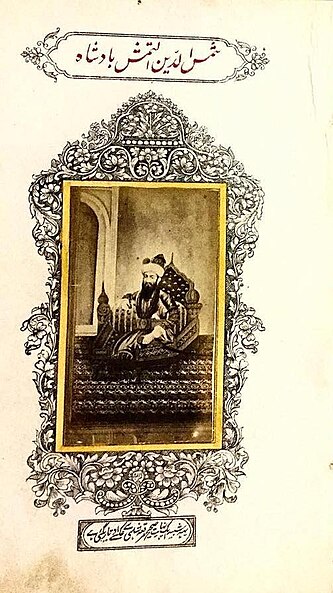
The following anecdote is related of Sultan Shamsuddin Iltutmish. He was greatly enamoured of a Turkish slave girl in his harem, whom he had purchased, and sought her caresses, but was always unable to achieve his object. One day he was seated, having his head anointed with some perfumed oil by the hands of the same slave girl, when he felt some tears fall on his head. On looking up, he found that she was weeping. He inquired of her the cause. She replied, “Once I had a brother who had such a bald place on his head as you have, and it reminds me of him.” On making further inquiries it was found that the slave girl was his own sister. They had both been sold as slaves, in their early childhood, by their half-brothers; and thus had Almighty God saved him from committing a great sin. Badaoni states in his work, “I heard this story myself, from the emperor Akbar’s own lips, and the monarch stated that this anecdote had been orally traced to Sultan Ghiyasuddin Balban himself.”
What It Means
This is a placeholder explanation generated by the low-overhead model. It interprets "The following anecdote is related of Sultan Shamsuddin Iltutmish. He was greatly enamoured of a Turkish slave girl in his harem, whom he had purchased, and sought her caresses, but was always unable to achieve his object. One day he was seated, having his head anointed with some perfumed oil by the hands of the same slave girl, when he felt some tears fall on his head. On looking up, he found that she was weeping. He inquired of her the cause. She replied, “Once I had a brother who had such a bald place on his head as you have, and it reminds me of him.” On making further inquiries it was found that the slave girl was his own sister. They had both been sold as slaves, in their early childhood, by their half-brothers; and thus had Almighty God saved him from committing a great sin. Badaoni states in his work, “I heard this story myself, from the emperor Akbar’s own lips, and the monarch stated that this anecdote had been orally traced to Sultan Ghiyasuddin Balban himself.”" in the context of "Minhaj, 506, 526n. quoted from Lal, K. S. (1994). Muslim slave system in medieval India. New Delhi: Aditya Prakashan. Chapter 12" to mean that wisdom is timeless.
Tags
About Iltutmish