Sultãn Shamsu’d-Dîn Iltutmish (AD 1210-1236) Ujjain (Madhya Pradesh)
• Tabqãt-i-Akharî by Nizamuddin Ahmad.
• Tabqãt-i-Akharî by Nizamuddin Ahmad.
“
“…In the year AH 631, he invaded the country of Mãlwah and conquered the fort of Bhîlsã. He also took the city of Ujjain, and had the temple of Mahãkãl… completely demolished, destroying it from its foundations; and he carried away the effigy of Bikramãjît… and certain other statues which were fashioned in molten brass, and placed them in the ground in front of the Jãmi’ Masjid, so that they might he trampled upon by the people.”
— Iltutmish
What It Means
This is a placeholder explanation generated by the low-overhead model. It interprets "“…In the year AH 631, he invaded the country of Mãlwah and conquered the fort of Bhîlsã. He also took the city of Ujjain, and had the temple of Mahãkãl… completely demolished, destroying it from its foundations; and he carried away the effigy of Bikramãjît… and certain other statues which were fashioned in molten brass, and placed them in the ground in front of the Jãmi’ Masjid, so that they might he trampled upon by the people.”" in the context of "Sultãn Shamsu’d-Dîn Iltutmish (AD 1210-1236) Ujjain (Madhya Pradesh)
• Tabqãt-i-Akharî by Nizamuddin Ahmad." to mean that wisdom is timeless.
Source: Wikiquote: "Iltutmish" (Quotes)
The 'What it means' explanation text was generated by Google Gemini Flash (accessed January 18, 2026). https://gemini.google.com/app
Tags
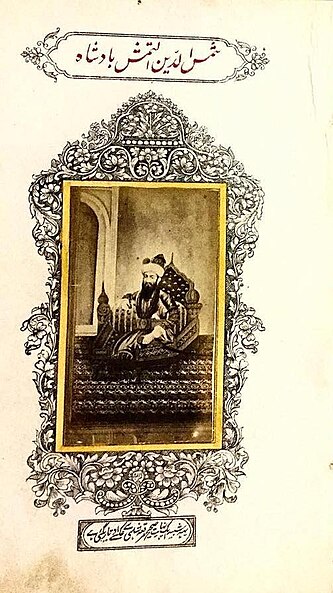
About Iltutmish
Shams ud-Din Iltutmish (r. 1211 – 1236) was the third of the Mamluk kings who ruled the former Ghurid territories in northern India. He was the first Muslim sovereign to rule from Delhi, and is thus considered the effective founder of the Delhi Sultanate.
About Iltutmish
Shams ud-Din Iltutmish (r. 1211 – 1236) was the third of the Mamluk kings who ruled the former Ghurid territories in northern India. He was the first Muslim sovereign to rule from Delhi, and is thus considered the effective founder of the Delhi Sultanate.
View all quotes →