H. Rider Haggard, King Solomon's Mines, Chapter 5, "Our March into the Desert"
“
He is an extraordinary animal is the house fly. Go where you will you find him, and so it must have been always. I have seen him enclosed in amber, which is, I was told, quite half a million years old, looking exactly like his descendant of to-day, and I have little doubt but that when the last man lies dying on the earth he will be buzzing round – if this event should happen to occur in summer – watching for an opportunity to settle on his nose.
— H. Rider Haggard on Flies
What It Means
This is a placeholder explanation generated by the low-overhead model. It interprets "He is an extraordinary animal is the house fly. Go where you will you find him, and so it must have been always. I have seen him enclosed in amber, which is, I was told, quite half a million years old, looking exactly like his descendant of to-day, and I have little doubt but that when the last man lies dying on the earth he will be buzzing round – if this event should happen to occur in summer – watching for an opportunity to settle on his nose." in the context of "H. Rider Haggard, King Solomon's Mines, Chapter 5, "Our March into the Desert"" to mean that wisdom is timeless.

Source: Wikiquote: "Flies" (Quotes)
The 'What it means' explanation text was generated by Google Gemini Flash (accessed January 18, 2026). https://gemini.google.com/app
Tags
About H. Rider Haggard
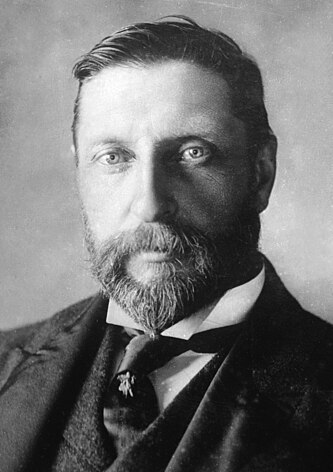
Sir Henry Rider Haggard (22 June 1856 – 14 May 1925), born in Bradenham, Norfolk, England, was a Victorian writer of adventure novels set in exotic locations such as southern Africa, Central Asia, Egypt, Iceland and Mexico.
About H. Rider Haggard
Sir Henry Rider Haggard (22 June 1856 – 14 May 1925), born in Bradenham, Norfolk, England, was a Victorian writer of adventure novels set in exotic locations such as southern Africa, Central Asia, Egypt, Iceland and Mexico.
View all quotes →