H.P. Lovecraft was a genius when it came to tales of the macabre, but a terrible dialogue writer. He seems to have known it, too, because in the millions of words of fiction he wrote, fewer than five thousand are dialogue. [...] Lovecraft was, by all accounts, both snobbish and painfully shy [...] the kind of writer who maintains a voluminous correspondence but gets along poorly with others in person — if he were alive today, he'd likely exist most vibrantly in various Internet chatrooms. Dialogue is a skill best learned by people who enjoy talking and listening to others — particularly listening, picking up accepts, rhythms, dialect and slang of various groups. Loners like Lovecraft often write it badly, or with the care of someone who is composing in a language other than his or her native tongue.
What It Means
This is a placeholder explanation generated by the low-overhead model. It interprets "H.P. Lovecraft was a genius when it came to tales of the macabre, but a terrible dialogue writer. He seems to have known it, too, because in the millions of words of fiction he wrote, fewer than five thousand are dialogue. [...] Lovecraft was, by all accounts, both snobbish and painfully shy [...] the kind of writer who maintains a voluminous correspondence but gets along poorly with others in person — if he were alive today, he'd likely exist most vibrantly in various Internet chatrooms. Dialogue is a skill best learned by people who enjoy talking and listening to others — particularly listening, picking up accepts, rhythms, dialect and slang of various groups. Loners like Lovecraft often write it badly, or with the care of someone who is composing in a language other than his or her native tongue." in the context of "Stephen King, On Writing: A Memoir of the Craft (2000), Scribner, pp. 181-183" to mean that wisdom is timeless.

Tags
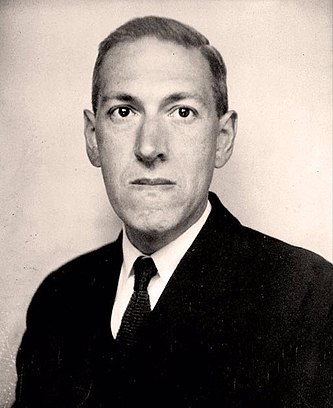
About H. P. Lovecraft