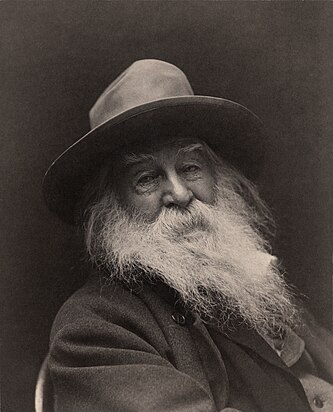
Behold great Whitman, whose licentious line Delights the rake, and warms the souls of swine; Whose fever'd fancy shuns the measur'd pace, And copies Ovid's filth without his grace. In his rough brain a genius might have grown, Had he not sought to play the brute alone; But void of shame, he let his wit run wild, And liv'd and wrote as Adam's bestial child. Averse to culture, strange to humankind, He never knew the pleasures of the mind. Scorning the pure, the delicate, the clean, His joys were sordid, and his morals mean. Thro' his gross thoughts a native vigour ran, From which he deem'd himself the perfect man: But want of decency his rank decreas'd, And sunk him to the level of the beast. Would that his Muse had dy'd before her birth, Nor spread such foul corruption o'er the earth.
What It Means
This is a placeholder explanation generated by the low-overhead model. It interprets "Behold great Whitman, whose licentious line Delights the rake, and warms the souls of swine; Whose fever'd fancy shuns the measur'd pace, And copies Ovid's filth without his grace. In his rough brain a genius might have grown, Had he not sought to play the brute alone; But void of shame, he let his wit run wild, And liv'd and wrote as Adam's bestial child. Averse to culture, strange to humankind, He never knew the pleasures of the mind. Scorning the pure, the delicate, the clean, His joys were sordid, and his morals mean. Thro' his gross thoughts a native vigour ran, From which he deem'd himself the perfect man: But want of decency his rank decreas'd, And sunk him to the level of the beast. Would that his Muse had dy'd before her birth, Nor spread such foul corruption o'er the earth." in the context of "H. P. Lovecraft, in an "Essay on Modern Poets" this was published as a "Fragment on Whitman” in The Ancient Track (2001) edited by S. T. Joshi, p. 192" to mean that wisdom is timeless.
Tags
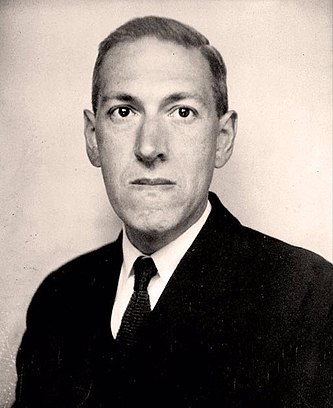
About H. P. Lovecraft