Mark Ames on George W. Bush

← Back to George W. Bush Profile
“The rage murder is new. It appeared under Reagan, during his cultural economic revolution, and it expanded in his aftermath. Reaganomics has ruled America ever since. For all of the Right's hysterical attacks on Clinton as a left-winger, the fact is that it was Clinton who administered a lethal injection to the welfare system with his Orwellian-named Personal Responsibility and Work Opportunity Reconciliation Act. Under Clinton, Wall Street floruished with greater deregulation, globalization accelerated as never before, downsizings soared, and the anti-union, pro-shareholder corporate culture that Reagan launched went from being a radical experiment to a way of life. By the time George W. Bush took office, the cultural-economic transformation had become so deeply entrenched that what once would have been considered extreme and unacceptable was cheered and praised, even by those who suffered. The change was radical and traumatic, so much so that historians may look back at this time and wonder why there weren't more murders and rebellions, just as it is shocking today to consider how few slave rebellions there were.”
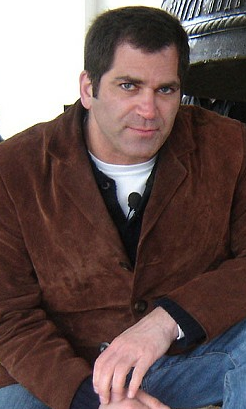
George W. Bush
“In just the period since Bush took office until the middle of 2004, for example, corporate profits grew 40 percent while real wages barely registered a 0.3 percent blip. And the Congressional Budget Office estimated last year that more than half of all corporate profits go into the pockets of the wealthiest 1 percent of Americans. "We're back to serfs and royalty in the Middle Ages," says Edward Lawler, professor of management at the University of Southern California's Marshall School of Business. Bush's tax policies are exacerbating that feudal tendency. The moves to eliminate taxes on inheritance and on dividends mean that the country is moving towards a model in which Paris Hilton would pay a lower rate of taxes than her cleaning lady, according to Martin Press, a high-profile tax attorney and registered Republican. This wealth transfer is evident in every statistic. From 1979 to 1998, those who earned in the top fifth of income grew 38 percent wealthier while the bottom fifth's top percent lost five percent of real income. Today, the financial wealth of the top one percent exceeds the combined wealth of the bottom 95 percent- America has the worst wealth distribution of any first-world nation.”
George W. Bush
“The terrorist attack on 9/11 was a shock and distraction to the general population; however, the same underlying socioeconomic conditions existed as before. Not only was there a recession that bordered on a crisis, but Bush's jaw-dropping economic policies further widened the socio-economic moat by transferring another couple trillion dollars of national wealth to the super-rich through unprecedented tax cuts for the top two percent and credits for large corporations, by record boosts in funding to the military-industrial complex, and by imposing further cuts in programs aimed at the middle and lower-middle classes. This final, gargantuan wealth transfer push will outlast Bush for decades. Indeed, when Bush first took power, his administration floated the idea of ending corporate taxes altogether, shifting more burden onto the "individual" (a euphemism for the middle class). The first part of Bush's second term was devoted to the "privatization" of Social Security, a thinly disguised trick to eventually kill the whole program and further enrich a few plutocrats. A study by University of Chicago economist Austan D. Goolsbee showed that Wall Street firms stood to earn up to a trillion dollars in trading fees if the plan goes through. Bush's rush to make America feudal has become so obscene that it straddles the line between cheap comedy and gratuitous evil, as if his economic policy was the product of a plutocrat's gag, just to see how far they could take things, to see how much they could get away with.”
George W. Bush
SERVER['DOCUMENT_ROOT'] . '/includes/header.php'; ?>

Mark Ames on George W. Bush

← Back to George W. Bush Profile
“The rage murder is new. It appeared under Reagan, during his cultural economic revolution, and it expanded in his aftermath. Reaganomics has ruled America ever since. For all of the Right's hysterical attacks on Clinton as a left-winger, the fact is that it was Clinton who administered a lethal injection to the welfare system with his Orwellian-named Personal Responsibility and Work Opportunity Reconciliation Act. Under Clinton, Wall Street floruished with greater deregulation, globalization accelerated as never before, downsizings soared, and the anti-union, pro-shareholder corporate culture that Reagan launched went from being a radical experiment to a way of life. By the time George W. Bush took office, the cultural-economic transformation had become so deeply entrenched that what once would have been considered extreme and unacceptable was cheered and praised, even by those who suffered. The change was radical and traumatic, so much so that historians may look back at this time and wonder why there weren't more murders and rebellions, just as it is shocking today to consider how few slave rebellions there were.”
George W. Bush
“In just the period since Bush took office until the middle of 2004, for example, corporate profits grew 40 percent while real wages barely registered a 0.3 percent blip. And the Congressional Budget Office estimated last year that more than half of all corporate profits go into the pockets of the wealthiest 1 percent of Americans. "We're back to serfs and royalty in the Middle Ages," says Edward Lawler, professor of management at the University of Southern California's Marshall School of Business. Bush's tax policies are exacerbating that feudal tendency. The moves to eliminate taxes on inheritance and on dividends mean that the country is moving towards a model in which Paris Hilton would pay a lower rate of taxes than her cleaning lady, according to Martin Press, a high-profile tax attorney and registered Republican. This wealth transfer is evident in every statistic. From 1979 to 1998, those who earned in the top fifth of income grew 38 percent wealthier while the bottom fifth's top percent lost five percent of real income. Today, the financial wealth of the top one percent exceeds the combined wealth of the bottom 95 percent- America has the worst wealth distribution of any first-world nation.”
George W. Bush
“The terrorist attack on 9/11 was a shock and distraction to the general population; however, the same underlying socioeconomic conditions existed as before. Not only was there a recession that bordered on a crisis, but Bush's jaw-dropping economic policies further widened the socio-economic moat by transferring another couple trillion dollars of national wealth to the super-rich through unprecedented tax cuts for the top two percent and credits for large corporations, by record boosts in funding to the military-industrial complex, and by imposing further cuts in programs aimed at the middle and lower-middle classes. This final, gargantuan wealth transfer push will outlast Bush for decades. Indeed, when Bush first took power, his administration floated the idea of ending corporate taxes altogether, shifting more burden onto the "individual" (a euphemism for the middle class). The first part of Bush's second term was devoted to the "privatization" of Social Security, a thinly disguised trick to eventually kill the whole program and further enrich a few plutocrats. A study by University of Chicago economist Austan D. Goolsbee showed that Wall Street firms stood to earn up to a trillion dollars in trading fees if the plan goes through. Bush's rush to make America feudal has become so obscene that it straddles the line between cheap comedy and gratuitous evil, as if his economic policy was the product of a plutocrat's gag, just to see how far they could take things, to see how much they could get away with.”
George W. Bush
Quotes about George W. Bush by Mark Ames | QuotesCosmos

Mark Ames on George W. Bush

← Back to George W. Bush Profile
“The rage murder is new. It appeared under Reagan, during his cultural economic revolution, and it expanded in his aftermath. Reaganomics has ruled America ever since. For all of the Right's hysterical attacks on Clinton as a left-winger, the fact is that it was Clinton who administered a lethal injection to the welfare system with his Orwellian-named Personal Responsibility and Work Opportunity Reconciliation Act. Under Clinton, Wall Street floruished with greater deregulation, globalization accelerated as never before, downsizings soared, and the anti-union, pro-shareholder corporate culture that Reagan launched went from being a radical experiment to a way of life. By the time George W. Bush took office, the cultural-economic transformation had become so deeply entrenched that what once would have been considered extreme and unacceptable was cheered and praised, even by those who suffered. The change was radical and traumatic, so much so that historians may look back at this time and wonder why there weren't more murders and rebellions, just as it is shocking today to consider how few slave rebellions there were.”
George W. Bush
“In just the period since Bush took office until the middle of 2004, for example, corporate profits grew 40 percent while real wages barely registered a 0.3 percent blip. And the Congressional Budget Office estimated last year that more than half of all corporate profits go into the pockets of the wealthiest 1 percent of Americans. "We're back to serfs and royalty in the Middle Ages," says Edward Lawler, professor of management at the University of Southern California's Marshall School of Business. Bush's tax policies are exacerbating that feudal tendency. The moves to eliminate taxes on inheritance and on dividends mean that the country is moving towards a model in which Paris Hilton would pay a lower rate of taxes than her cleaning lady, according to Martin Press, a high-profile tax attorney and registered Republican. This wealth transfer is evident in every statistic. From 1979 to 1998, those who earned in the top fifth of income grew 38 percent wealthier while the bottom fifth's top percent lost five percent of real income. Today, the financial wealth of the top one percent exceeds the combined wealth of the bottom 95 percent- America has the worst wealth distribution of any first-world nation.”
George W. Bush
“The terrorist attack on 9/11 was a shock and distraction to the general population; however, the same underlying socioeconomic conditions existed as before. Not only was there a recession that bordered on a crisis, but Bush's jaw-dropping economic policies further widened the socio-economic moat by transferring another couple trillion dollars of national wealth to the super-rich through unprecedented tax cuts for the top two percent and credits for large corporations, by record boosts in funding to the military-industrial complex, and by imposing further cuts in programs aimed at the middle and lower-middle classes. This final, gargantuan wealth transfer push will outlast Bush for decades. Indeed, when Bush first took power, his administration floated the idea of ending corporate taxes altogether, shifting more burden onto the "individual" (a euphemism for the middle class). The first part of Bush's second term was devoted to the "privatization" of Social Security, a thinly disguised trick to eventually kill the whole program and further enrich a few plutocrats. A study by University of Chicago economist Austan D. Goolsbee showed that Wall Street firms stood to earn up to a trillion dollars in trading fees if the plan goes through. Bush's rush to make America feudal has become so obscene that it straddles the line between cheap comedy and gratuitous evil, as if his economic policy was the product of a plutocrat's gag, just to see how far they could take things, to see how much they could get away with.”
George W. Bush
SERVER['DOCUMENT_ROOT'] . '/includes/footer.php'; ?>