Letter to his wife Ruth Mallory (1921), acquitted in Everest: The Mountaineering History (2000) by Walt Unsworth, p. 47; also The Wildest Dream: The Biography of George Mallory (2001) by Peter Gillman and Leni Gillman, p. 13
“
One comes to bless the absolute bareness, feeling that here is a pure beauty of form, a kind of ultimate harmony.
— George Mallory
What It Means
This is a placeholder explanation generated by the low-overhead model. It interprets "One comes to bless the absolute bareness, feeling that here is a pure beauty of form, a kind of ultimate harmony." in the context of "Letter to his wife Ruth Mallory (1921), acquitted in Everest: The Mountaineering History (2000) by Walt Unsworth, p. 47; also The Wildest Dream: The Biography of George Mallory (2001) by Peter Gillman and Leni Gillman, p. 13" to mean that wisdom is timeless.
Source: Wikiquote: "George Mallory" (Quotes)
The 'What it means' explanation text was generated by Google Gemini Flash (accessed January 18, 2026). https://gemini.google.com/app
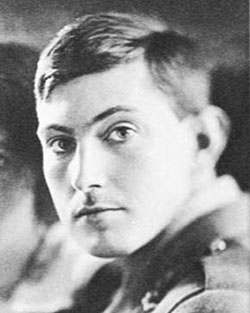
About George Mallory
George Herbert Leigh Mallory (18 June 1886 – 8 June/9 June 1924) was an English mountaineer who took part in the first three British expeditions to Mount Everest in the early 1920s.
About George Mallory
George Herbert Leigh Mallory (18 June 1886 – 8 June/9 June 1924) was an English mountaineer who took part in the first three British expeditions to Mount Everest in the early 1920s.
View all quotes →