Francis Quarles, Divine Fancies, Book IV. Art. 70. Early instances of same in Seneca, De Beneficiis, LVI, Chapter III. Gesta Romanorum, Chapter XVI. Ed. 1872, p. 300. Jeremy Taylor, Note to Holy Dying, Chapter II, Section XIII, Volume III. of Works. C. P. Eden's ed.
“
The goods we spend we keep; and what we save We lose; and only what we lose we have.
— Francis Quarles on Ownership
What It Means
This is a placeholder explanation generated by the low-overhead model. It interprets "The goods we spend we keep; and what we save We lose; and only what we lose we have." in the context of "Francis Quarles, Divine Fancies, Book IV. Art. 70. Early instances of same in Seneca, De Beneficiis, LVI, Chapter III. Gesta Romanorum, Chapter XVI. Ed. 1872, p. 300. Jeremy Taylor, Note to Holy Dying, Chapter II, Section XIII, Volume III. of Works. C. P. Eden's ed." to mean that wisdom is timeless.

Source: Wikiquote: "Ownership" (Quotes, Hoyt's New Cyclopedia Of Practical Quotations: Quotes reported in Hoyt's New Cyclopedia Of Practical Quotations (1922), p. 615-17.)
The 'What it means' explanation text was generated by Google Gemini Flash (accessed January 18, 2026). https://gemini.google.com/app
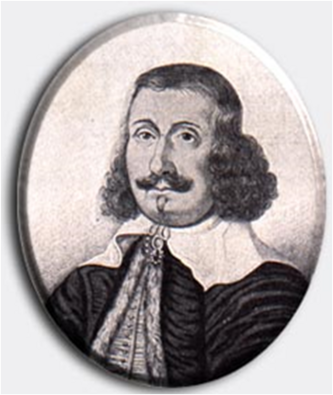
About Francis Quarles
Francis Quarles (baptised May 8, 1592, died September 8, 1644) was a prolific English prose-writer and poet. He is now best known for his Emblems (1638) and other moral and devotional verse.
About Francis Quarles
Francis Quarles (baptised May 8, 1592, died September 8, 1644) was a prolific English prose-writer and poet. He is now best known for his Emblems (1638) and other moral and devotional verse.
View all quotes →