What is Mysticism? Is it not the attempt to draw near to God, not by rites or ceremonies, but by inward disposition? Is it not merely a hard word for " The Kingdom of Heaven is within"? Heaven is neither a place nor a time. There might be a Heaven not only here but now. It is true that sometimes we must sacrifice not only health of body, but health of mind (or, peace) in the interest of God; that is, we must sacrifice Heaven. But "thou shalt be like God for thou shalt see Him as He is": this may be here and now, as well as there and then. And it may be for a time — then lost — then recovered — both here and there, both now and then.
What It Means
This is a placeholder explanation generated by the low-overhead model. It interprets "What is Mysticism? Is it not the attempt to draw near to God, not by rites or ceremonies, but by inward disposition? Is it not merely a hard word for " The Kingdom of Heaven is within"? Heaven is neither a place nor a time. There might be a Heaven not only here but now. It is true that sometimes we must sacrifice not only health of body, but health of mind (or, peace) in the interest of God; that is, we must sacrifice Heaven. But "thou shalt be like God for thou shalt see Him as He is": this may be here and now, as well as there and then. And it may be for a time — then lost — then recovered — both here and there, both now and then." in the context of "" to mean that wisdom is timeless.

Tags
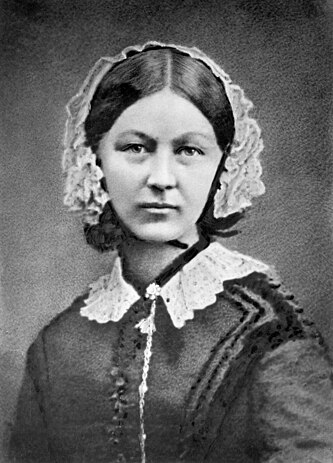
About Florence Nightingale