Woe to him who in passing should hurl an insult at this gentle and pensive head. He would be punished, as all vulgar souls are punished, by his very vulgarity, and by his incapacity to conceive what is divine. This man, from his granite pedestal, will point out to all men the way of blessedness which he found; and ages hence, the cultivated traveler, passing by this spot, will say in his heart, "The truest vision ever had of God came, perhaps, here."
What It Means
This is a placeholder explanation generated by the low-overhead model. It interprets "Woe to him who in passing should hurl an insult at this gentle and pensive head. He would be punished, as all vulgar souls are punished, by his very vulgarity, and by his incapacity to conceive what is divine. This man, from his granite pedestal, will point out to all men the way of blessedness which he found; and ages hence, the cultivated traveler, passing by this spot, will say in his heart, "The truest vision ever had of God came, perhaps, here."" in the context of "Ernest Renan, at the dedication of a statue to Spinoza in 1882, as quoted in The Story of Philosophy (1962) by Will Durant" to mean that wisdom is timeless.

Tags
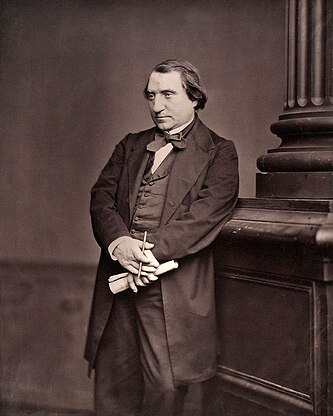
About Ernest Renan