Part 1, Section 1
“
Morals excite passions, and produce or prevent actions. Reason of itself is utterly impotent in this particular. The rules of morality, therefore, are not conclusions of our reason.
— David Hume
What It Means
This is a placeholder explanation generated by the low-overhead model. It interprets "Morals excite passions, and produce or prevent actions. Reason of itself is utterly impotent in this particular. The rules of morality, therefore, are not conclusions of our reason." in the context of "Part 1, Section 1" to mean that wisdom is timeless.
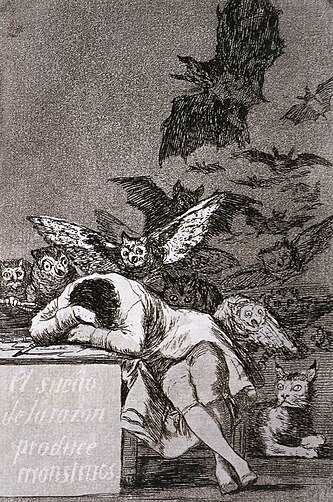
Source: Wikiquote: "David Hume" (Quotes, A Treatise of Human Nature (1739-40), Book 3: Of morals)
The 'What it means' explanation text was generated by Google Gemini Flash (accessed January 18, 2026). https://gemini.google.com/app
Tags

About David Hume
David Hume (7 May 1711, N.S. April 26, O.S. – 25 August 1776) was a Scottish philosopher, historian, economist and essayist.
About David Hume
David Hume (7 May 1711, N.S. April 26, O.S. – 25 August 1776) was a Scottish philosopher, historian, economist and essayist.
View all quotes →