• The validity of the quote is questionable.http://www.shsu.edu/~his_ncp/Heropers.html
An untruth must be spoken, where need requires. For whether men lie, or say true, it is with one and the same object. Men lie, because they think to gain by deceiving others; and speak the truth, because they expect to get something by their true speaking, and to be trusted afterwards in more important matters. Thus, though their conduct is so opposite, the end of both is alike. If there were no gain to be got, your true-speaking man would tell untruths as much as your liar, and your liar would tell the truth as much as your true-speaking man.
What It Means
This is a placeholder explanation generated by the low-overhead model. It interprets "An untruth must be spoken, where need requires. For whether men lie, or say true, it is with one and the same object. Men lie, because they think to gain by deceiving others; and speak the truth, because they expect to get something by their true speaking, and to be trusted afterwards in more important matters. Thus, though their conduct is so opposite, the end of both is alike. If there were no gain to be got, your true-speaking man would tell untruths as much as your liar, and your liar would tell the truth as much as your true-speaking man." in the context of "As quoted in The Histories by Herodotus, 3.72
• The validity of the quote is questionable.http://www.shsu.edu/~his_ncp/Heropers.html" to mean that wisdom is timeless.
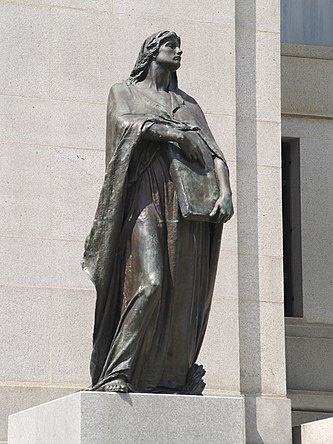

About Darius I of Persia