The principle being accepted that all Species of one Genus have arisen from one mother through different fathers, it must be assumed
# That in the beginning the Creator created of each natural Order only one plant with reproductive power.
# That by their various mixings different plants have arisen which belong to the mother's natural order as they are similar to the mother with regard to their fructifications, and are, as it were, species of the order, i.e., genera.
# We may assume that plants have arisen within the orders, i.e. by genera of one order, may mix with each other. In this was there will arise species that should be referred to the mother's genus as her daughters.
What It Means
This is a placeholder explanation generated by the low-overhead model. It interprets "The principle being accepted that all Species of one Genus have arisen from one mother through different fathers, it must be assumed
# That in the beginning the Creator created of each natural Order only one plant with reproductive power.
# That by their various mixings different plants have arisen which belong to the mother's natural order as they are similar to the mother with regard to their fructifications, and are, as it were, species of the order, i.e., genera.
# We may assume that plants have arisen within the orders, i.e. by genera of one order, may mix with each other. In this was there will arise species that should be referred to the mother's genus as her daughters." in the context of "Praelectiones (Lectures, 1744) quoted in Larson (1967:317)" to mean that wisdom is timeless.
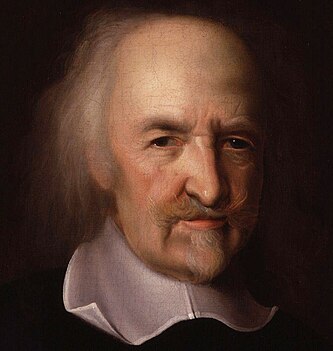

About Carl Linnaeus