It is not knowledge, but the act of learning, not possession but the act of getting there, which grants the greatest enjoyment. When I have clarified and exhausted a subject, then I turn away from it, in order to go into darkness again; The never-satisfied man is so strange—if he has completed a structure, then it is not in order to dwell in it peacefully, but in order to begin another. I imagine the world conqueror must feel thus, who, after one kingdom is scarcely conquered, stretches out his arms again for others.
What It Means
This is a placeholder explanation generated by the low-overhead model. It interprets "It is not knowledge, but the act of learning, not possession but the act of getting there, which grants the greatest enjoyment. When I have clarified and exhausted a subject, then I turn away from it, in order to go into darkness again; The never-satisfied man is so strange—if he has completed a structure, then it is not in order to dwell in it peacefully, but in order to begin another. I imagine the world conqueror must feel thus, who, after one kingdom is scarcely conquered, stretches out his arms again for others." in the context of "Carl Friedrich Gauss (Sep 2, 1808) letter to János Bolyai, as quoted by G. Waldo Dunnington, Carl Friedrich Gauss: Titan of Science (2004 edition of 1995 first printing) p. 416." to mean that wisdom is timeless.

Tags
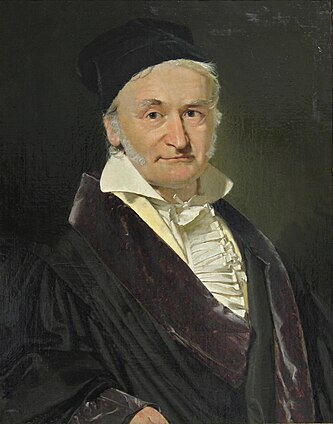
About Carl Friedrich Gauss