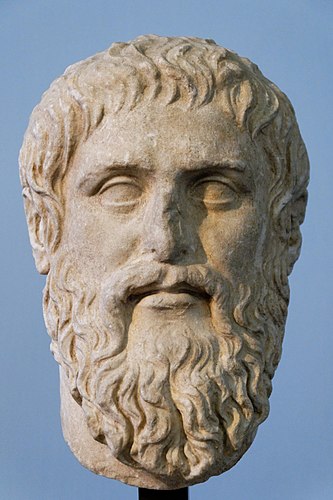
The question is then how can we decide what anybody in the ancient world said. We can't. We wish we could. It would be nice if we could. You would like to think that because you can go to the store and buy an edition of Plato that you are actually reading Plato, but the problem is that we just do not have the kind of evidence that we need in order to establish what ancient authors actually wrote.
What It Means
This is a placeholder explanation generated by the low-overhead model. It interprets "The question is then how can we decide what anybody in the ancient world said. We can't. We wish we could. It would be nice if we could. You would like to think that because you can go to the store and buy an edition of Plato that you are actually reading Plato, but the problem is that we just do not have the kind of evidence that we need in order to establish what ancient authors actually wrote." in the context of ""The Textual Reliability of the New Testament: A Dialogue between Bart Ehrman and Daniel Wallace" (April 4–5, 2008), in The Reliability of the New Testament (2011) edited by Robert Stewart, p. 47" to mean that wisdom is timeless.
Tags
