• p. 28
• Koekkoek refers to the German painters who rejected the Dutch (often more realistic) landscape-painters, as 'non-poetic' artists]
Shall I now ask these palette-slaves what poetry means, and in how many forms it appears to us? They want to chain her [poetry], just as they are tied up themselves to their master's palette, [or] to some part of the sacred history.. ..to a folktale.. .. a miraculous landscape .. .. or other pompous imaginations.
What It Means
This is a placeholder explanation generated by the low-overhead model. It interprets "Shall I now ask these palette-slaves what poetry means, and in how many forms it appears to us? They want to chain her [poetry], just as they are tied up themselves to their master's palette, [or] to some part of the sacred history.. ..to a folktale.. .. a miraculous landscape .. .. or other pompous imaginations." in the context of "(original Dutch, citaat van B.C. Koekkoek:) Zal ik nu deze palet-slaven vragen, wat poezij is, en onder hoe vele vormen zij zich aan ons vertoont of voordoet? Zij willen haar gekluisterd hebben, evenals zij aan het palet van hun meester gebonden zijn, aan het een of andere gedeelte der gewijde geschiedenis.. ..aan ene volkslegende.. ..een wonder vreemd landschap.. ..en meer andere hoogdravende voorstellingen.
• p. 28
• Koekkoek refers to the German painters who rejected the Dutch (often more realistic) landscape-painters, as 'non-poetic' artists]" to mean that wisdom is timeless.
Tags
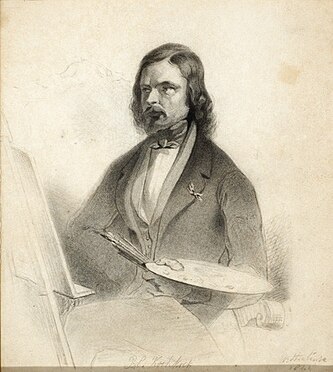
About Barend Cornelis Koekkoek