On reaching the fort, Banda Singh, Baj Singh, Fateh Singh and other leaders were packed off to the Tripolia prison. Banda Singh’s wife, his four-year-old son Ajai Singh and the child’s nurse was handed over to the harem. The remaining 694 Sikhs were sent away for execution that began from 5 March 1716 in batches of hundred every day, going on for a week. Life was promised to anyone who chose to renounce his faith and embrace Islam, but not one among the 700 opted for it or sought pardon.26 As William Irvine states: ‘All observers, Indian and European, unite in remarking on the wonderful patience and resolution with which these men underwent their fate. Their attachment and devotion to their leader was wonderful to behold. They had no fear of death, they called the Executioner Mukt, or the Deliverer, they cried out to him joyfully, “O! Mukt! Kill me first.”’
What It Means
This is a placeholder explanation generated by the low-overhead model. It interprets "On reaching the fort, Banda Singh, Baj Singh, Fateh Singh and other leaders were packed off to the Tripolia prison. Banda Singh’s wife, his four-year-old son Ajai Singh and the child’s nurse was handed over to the harem. The remaining 694 Sikhs were sent away for execution that began from 5 March 1716 in batches of hundred every day, going on for a week. Life was promised to anyone who chose to renounce his faith and embrace Islam, but not one among the 700 opted for it or sought pardon.26 As William Irvine states: ‘All observers, Indian and European, unite in remarking on the wonderful patience and resolution with which these men underwent their fate. Their attachment and devotion to their leader was wonderful to behold. They had no fear of death, they called the Executioner Mukt, or the Deliverer, they cried out to him joyfully, “O! Mukt! Kill me first.”’" in the context of "Irvine, Later Mughals, Vol. 1, pp. 317–18. quoted from Sampath V. (2022). Bravehearts of bharat : vignettes from indian history. Penguin Random House India" to mean that wisdom is timeless.
Tags
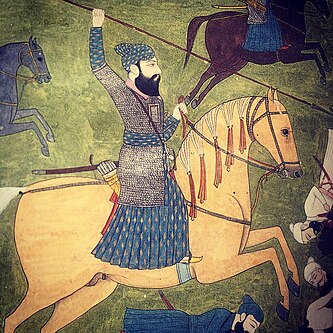
About Banda Singh Bahadur