Babur, Baburnama, II, https://archive.org/stream/baburnamainengli02babuuoft/baburnamainengli02babuuoft_djvu.txt also in Lal, K. S. (1995). Growth of scheduled tribes and castes in medieval India.
“
It was the hot-season when we came to Agra. All the inhabitants {khaldtq) had run away in terror. Neither grain for ourselves nor corn for our horses was to be had. The villages, out of hostility and hatred to us had taken to thieving and highway-robbery ; there was no moving on the roads.
— Babur on Agra
What It Means
This is a placeholder explanation generated by the low-overhead model. It interprets "It was the hot-season when we came to Agra. All the inhabitants {khaldtq) had run away in terror. Neither grain for ourselves nor corn for our horses was to be had. The villages, out of hostility and hatred to us had taken to thieving and highway-robbery ; there was no moving on the roads." in the context of "Babur, Baburnama, II, https://archive.org/stream/baburnamainengli02babuuoft/baburnamainengli02babuuoft_djvu.txt also in Lal, K. S. (1995). Growth of scheduled tribes and castes in medieval India." to mean that wisdom is timeless.
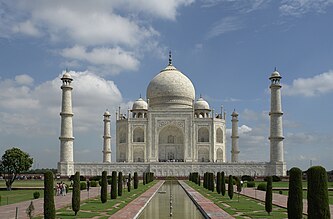
Source: Wikiquote: "Agra" (Quotes)
The 'What it means' explanation text was generated by Google Gemini Flash (accessed January 18, 2026). https://gemini.google.com/app
Tags

About Babur
Zahir-ud-Din Muhammad Babur or Babur (February 14, 1483 – December 26, 1530) was a descendant of Genghis Khan and Timur; Babur was a military adventurer, a soldier of distinction, a poet, diarist and statesman. Babur was the first Mughal Emperor and founder of the Mughal Empire.
About Babur
Zahir-ud-Din Muhammad Babur or Babur (February 14, 1483 – December 26, 1530) was a descendant of Genghis Khan and Timur; Babur was a military adventurer, a soldier of distinction, a poet, diarist and statesman. Babur was the first Mughal Emperor and founder of the Mughal Empire.
View all quotes →